Iran war World War 3 risk is real enough to monitor, but the conflict does not become WW3 just because missiles, oil prices, or social feeds move fast. The useful question is which Iran war escalation pathways could connect a regional war to great-power combat, alliance commitments, nuclear escalation risk, and global trade disruption.
The short answer is conditional. A U.S.-Israel-Iran fight can remain regional even if it is severe, costly, and multinational. It starts approaching a world-war scenario only when outside powers enter as direct combatants, a NATO member is attacked in a way allies treat as collective defense, nuclear command signals become operational rather than rhetorical, or chokepoint disruption spreads into a broader contest over global shipping and energy security. Read this page with the site's war-threshold explainer, U.S. vs Iran comparison, and Iran war draft guide before treating any WW3 claim as settled.
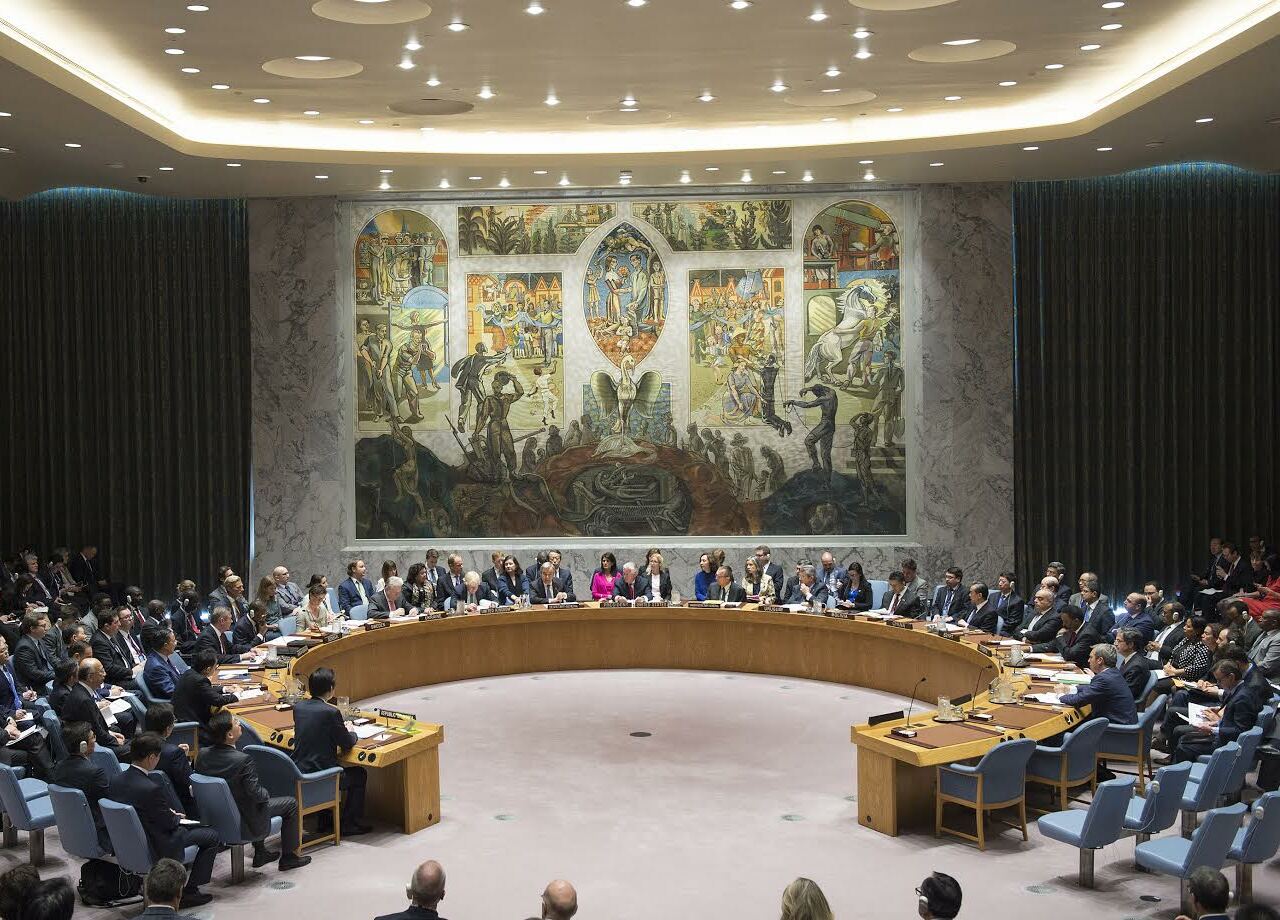
Could the Iran war start World War 3?
Yes, the Iran war could start World War 3, but not by magic and not automatically. The pathway would require escalation across several boundaries at once. A strike on one country can be contained. A regional exchange can be contained. Even a maritime crisis can be managed if the actors keep their goals limited and backchannels stay open. A world war requires a wider alignment of combatants and theaters.
The clearest danger is a chain reaction. Iran strikes U.S. or allied forces. The United States expands the target set. Iran uses proxies to hit bases, shipping, embassies, or critical infrastructure outside the original battlefield. Gulf states, European states, or Asian energy importers become more directly exposed. Russia or China then move from diplomatic support to operational assistance. Each step can still stop short of a world war, but the cumulative pattern is what matters.
That distinction keeps the analysis disciplined. "World War 3" is often used as shorthand for fear, but fear is not a trigger. The triggers are observable: direct attacks across alliance lines, combat support by outside powers, nuclear force movements, repeated missile or drone strikes on third-country territory, and a breakdown in the maritime rules that let global trade keep moving through the Gulf.
What makes this different from a normal regional war?
A normal regional war can involve foreign weapons, foreign intelligence, sanctions, cyber operations, and diplomatic pressure without becoming a world war. The war changes category when external powers are no longer supporting from the edge and instead become combatants with their own forces, casualties, and retaliation cycles. That is why the question belongs beside U.S. troops in the Middle East and Iran missile attack risk. Basing geography determines who might be hit first and which governments would have to respond.
What would make the Iran war a world war?
The most useful framework is a threshold table. Do not score WW3 risk by headline intensity alone. Score it by whether the conflict crosses one or more of the thresholds below and whether the actors still have off-ramps after crossing them.
| Trigger | Why It Matters | Lower-Risk Version | Higher-Risk Version |
|---|---|---|---|
| Alliance attack | Forces governments to decide whether treaty credibility is on the line | Intercepted strike, no deaths, rapid deconfliction | Fatal attack on NATO territory, base, ship, or aircraft |
| Great-power assistance | Can turn proxy support into direct confrontation | Diplomatic cover, sanctions evasion, civilian trade | Real-time targeting, air-defense crews, naval escort, combat ISR |
| Nuclear signaling | Raises stakes faster than conventional damage alone | Political rhetoric and deterrence statements | Visible dispersal, alert changes, command drills, ambiguous launch warnings |
| Hormuz disruption | Connects the war to energy importers and global prices | Temporary insurance spike or escorted transit | Sustained closure, tanker losses, LNG interruption, competing naval escorts |
| Proxy expansion | Creates multiple fronts with deniable attribution | Limited militia fire within expected theaters | Coordinated strikes across Iraq, Syria, Lebanon, Yemen, Gulf ports, and cyber targets |
One threshold alone can be dangerous without being decisive. The bigger danger is threshold stacking. For example, a tanker attack may be manageable if no country retaliates directly. A tanker attack plus a missile strike on a U.S. base plus Russian or Chinese operational support for Iranian targeting would be a different category. The pattern would show the conflict linking maritime, alliance, and great-power tracks.
This is why generic probability claims are weak. A single number cannot capture the difference between a contained direct exchange and a cascading conflict. The better approach is to track whether more actors are gaining direct military reasons to fire, intercept, escort, or retaliate.
Would NATO join an Iran war?
NATO would not automatically join an Iran war because Iran fights the United States or Israel. NATO is not a general-purpose U.S. escalation button. The key issue is whether a NATO member is the victim of an armed attack and whether allies decide the incident qualifies for collective defense. NATO's own Article 5 explanation grounds collective defense in the right of individual or collective self-defense after an armed attack.
That makes geography and attribution decisive. A missile that hits a U.S. facility in the Gulf is not the same legal and political event as a missile that hits a NATO member's territory in Europe. A cyberattack that disrupts civilian infrastructure but cannot be attributed clearly may produce sanctions or cyber response without activating the alliance. A fatal, attributed strike on a NATO ship, aircraft, or base could move much faster.
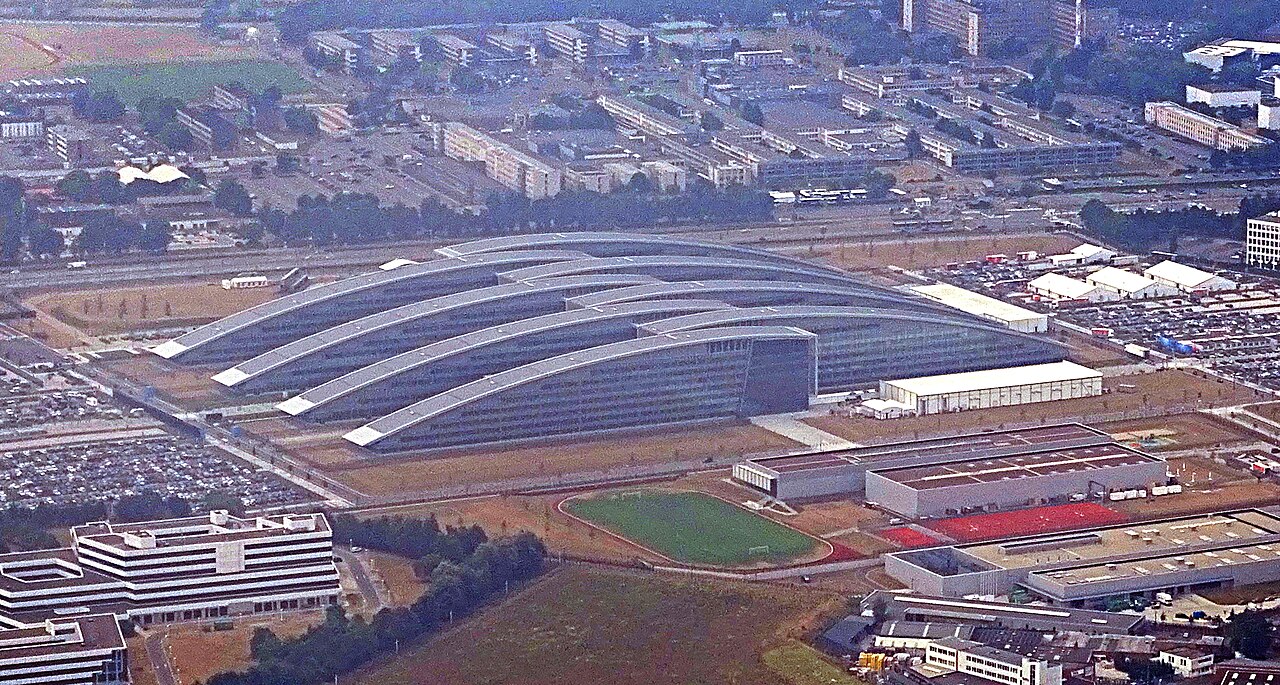
The most likely NATO-related danger is not a preplanned alliance entry. It is a battlefield accident that becomes politically impossible to ignore. A missile intercept over allied airspace, a strike on a European naval vessel protecting shipping, or an attributed Iranian-linked cyberattack on a NATO state's critical infrastructure would force leaders to decide whether restraint preserves stability or signals weakness.
Why Article 5 still has political friction
Even if an attack is serious, NATO decisions are political. Allies would ask whether the attack was intentional, whether it occurred inside a declared combat zone, whether a proportional response is available, and whether escalation would make the alliance safer or less safe. That is why "NATO joins" should not be treated as a single switch. It is a decision tree with military, legal, and diplomatic branches.
Would Russia or China defend Iran directly?
Russia or China can help Iran without fighting the United States directly. That is the central distinction. Diplomatic cover, commodity purchases, dual-use technology, cyber tolerance, intelligence sharing, or sanctions evasion can all strengthen Iran. Direct military defense is a higher threshold because it risks U.S.-Russia or U.S.-China combat, which is the kind of great-power confrontation that turns WW3 language from rhetoric into a real scenario.
China's primary interest is usually stability of energy flows, maritime access, and the broader competition with Washington. Russia's interest is often different: draining U.S. attention, preserving a partner under pressure, and forcing Washington to manage multiple theaters. An Atlantic Council scenario analysis of the war framed the most dangerous path as one where the United States seeks a decisive Gulf outcome while China becomes more actively engaged in Iran's recovery and parallel pressure points harden elsewhere.
| Outside Power Move | Escalation Level | Why It Matters | What To Watch |
|---|---|---|---|
| Diplomatic backing at the UN | Low to moderate | Shields Iran politically without creating direct combat risk | Veto threats, ceasefire language, sanctions blocking |
| Economic lifeline | Moderate | Extends Iran's endurance and weakens sanctions pressure | Oil purchases, banking channels, shipping insurance workarounds |
| Intelligence or targeting support | High | Blurs the line between support and participation | ISR flights, satellite tasking, electronic intelligence leaks |
| Military personnel or escorts | Severe | Creates direct casualty and retaliation risk with U.S. forces | Air-defense crews, naval deployments, declared protection zones |
| Parallel crisis in Taiwan, Ukraine, or the Arctic | Severe | Connects the Iran war to another major theater | Exercises, mobilization, sanctions linkage, joint warnings |
Direct intervention remains costly for both Russia and China. It would expose their personnel and equipment to U.S. targeting and could trigger economic and military consequences far beyond Iran. That is why the most plausible risk is not a sudden formal alliance announcement. It is incremental support that becomes operationally decisive and then gets treated by Washington as participation.
How does the Strait of Hormuz change WW3 risk?
Hormuz is the bridge between regional combat and global pressure. The U.S. Energy Information Administration has estimated that 2024 and early-2025 flows through the Strait of Hormuz represented more than one-quarter of global seaborne oil trade and about one-fifth of global oil and petroleum product consumption, with around one-fifth of global LNG trade also moving through the route. That does not make every Hormuz incident a world-war trigger, but it makes the strait one of the fastest ways a regional war can hit countries far from the battlefield.
A limited disruption changes prices. A sustained disruption changes strategy. Energy importers may seek escorts, pressure Washington for a settlement, draw down inventories, or negotiate with suppliers under emergency conditions. Shipping companies may reroute, pause voyages, or demand higher war-risk premiums. Governments that were previously observers can become stakeholders because their economies are being hit.
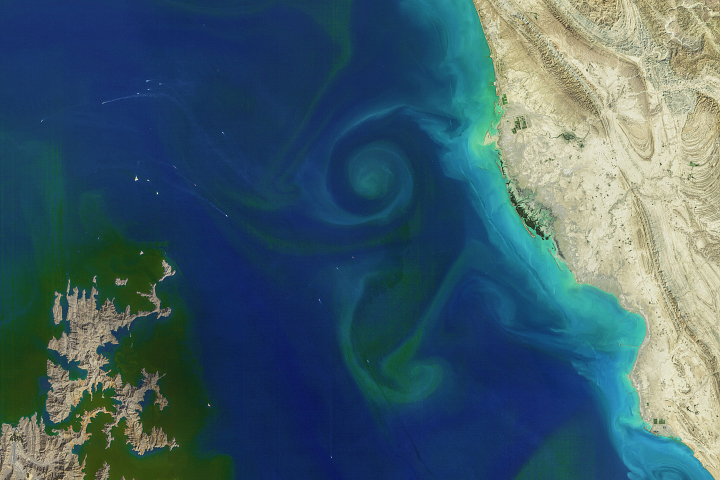
The dangerous version is competing naval management. If U.S., European, Chinese, Indian, or other naval forces begin escorting different shipping flows under different rules, the risk of collision, misidentification, and escalation rises. The more navies involved, the less a single backchannel can manage the entire picture. This is where the site's Hormuz closure timeline, war-risk insurance guide, and gas-price impact model become part of the WW3 risk assessment.
What are the 30-day warning signs?
The next 30 days matter because escalation can harden before leaders admit it has hardened. Watch actions more than statements. Leaders often use extreme language to deter, reassure domestic audiences, or bargain. Force movement, alert posture, supply chains, and repeated attacks are harder to fake.
| Signal | Low Concern | High Concern | Best Companion Page |
|---|---|---|---|
| Base posture | Temporary air defense reinforcement | Evacuations, dispersal, emergency deployments, repeated missile alerts | U.S. troop posture |
| Proxy tempo | Single-theater harassment | Coordinated pressure across multiple countries and domains | Proxy groups map |
| Air and missile defense | Routine intercept claims | Interceptor depletion, new foreign crews, uncontrolled airspace closures | Interceptor capacity |
| Nuclear signaling | Political threats and negotiating language | Material movement, inspection blackout, operational dispersal, alert shifts | Nuclear evidence guide |
| Great-power posture | Condemnations and diplomatic alignment | Combat logistics, real-time targeting support, parallel mobilization | Iran war scorecard |
A single red flag should raise attention. Multiple red flags in the same week should change the baseline. The most important combination would be direct attacks on U.S. or allied forces, sustained Hormuz disruption, foreign operational support to Iran, and a breakdown of nuclear monitoring or command transparency. That mix would not guarantee World War 3, but it would move the conflict out of a normal regional-war frame.
How should readers separate WW3 risk from panic?
Start by asking what changed. A viral post saying "WW3 started" usually reacts to noise: explosions, statements, market spikes, or dramatic footage. Real escalation analysis asks whether new actors entered combat, whether old rules stopped working, and whether leaders still have ways to step back without losing essential credibility.
Second, separate capability from intent. Iran has missiles, drones, cyber tools, proxies, and maritime options. The United States has overwhelming strike capacity, naval reach, and alliance depth. Russia and China have reasons to complicate U.S. strategy. None of that proves intent to start a world war. Capability defines the menu. Intent and political constraint determine which items get chosen.
Third, look for reversibility. A temporary airspace closure can reverse. A diplomatic walkout can reverse. A tanker damaged without fatalities can still be contained. A fatal strike on a treaty ally, a direct clash with Chinese or Russian personnel, or a nuclear alert change is harder to reverse because domestic politics and deterrence credibility start to lock leaders in.
The disciplined answer is not "WW3" or "nothing." It is a watchlist: alliance attacks, great-power combat support, nuclear signaling, Hormuz disruption, and multi-front proxy pressure.
For now, the better label is elevated escalation risk, not inevitable world war. That is still serious. It means readers should track concrete triggers, avoid false certainty, and compare every new claim against the thresholds above. A contained war can still be devastating. A world war requires the conflict to connect theaters, alliances, and nuclear-armed powers in ways that are visible before they are irreversible.
FAQ: Iran war World War 3 risk
Could the Iran war start World War 3?
Yes, but only through escalation pathways that pull in additional states directly. The most dangerous triggers are attacks on treaty-protected forces, sustained closure of global trade chokepoints, nuclear signaling, and direct great-power intervention.
Is the Iran war already World War 3?
No. A regional war can be severe, multinational, and globally disruptive without becoming a world war unless major outside powers enter direct combat across connected theaters. The category changes when support becomes participation.
Would NATO join an Iran war?
NATO would not automatically join because Iran and the United States or Israel fight. The sharper question is whether a NATO member suffers an armed attack that allies judge to fall under collective-defense rules.
Would Russia or China defend Iran?
Russia or China could support Iran diplomatically, economically, technologically, or with indirect military assistance without entering the war directly. Direct intervention would be a much larger threshold because it risks combat with U.S. forces.
How likely is World War 3 from Iran?
The risk is higher than a normal regional crisis but still conditional. It rises when separate escalation ladders connect: Gulf shipping, proxy attacks, NATO exposure, nuclear signaling, and U.S.-China competition.
External references: NATO on Article 5 collective defense, EIA on Strait of Hormuz energy flows, and Atlantic Council scenarios for geopolitics after the Iran war.