US iran relations are best understood as a moving balance between diplomacy, deterrence, and economic coercion rather than a single linear trend. When paired with strategic capability comparisons, war-threshold analysis, and event-timeline evidence, this framework makes it easier to see when relationship friction is stabilizing versus compounding.
This page focuses on decision-relevant structure: who is signaling, through which channels, at what tempo, and with what likely escalation effect. The objective is to improve forecast quality for readers tracking policy, markets, and regional security.
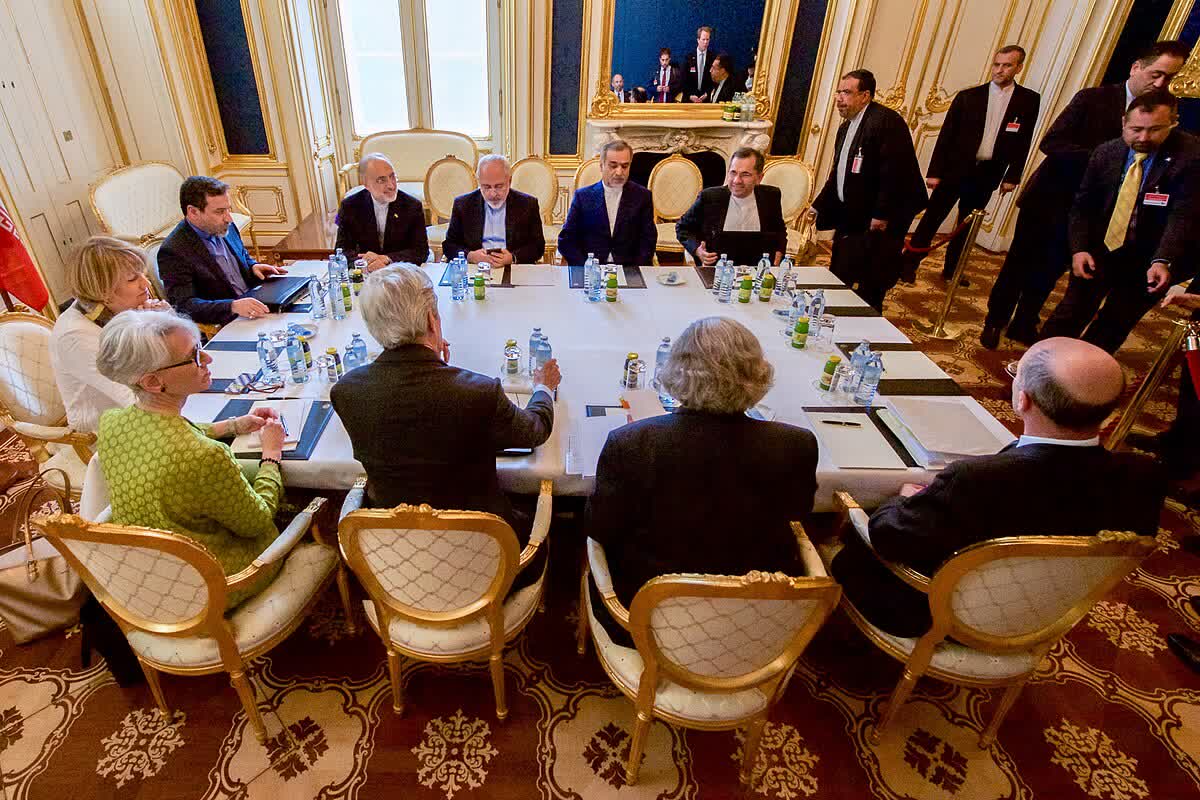
What Is the Current Baseline in US Iran Relations?
At baseline, US-Iran relations in 2026 still look like managed hostility rather than a thaw. There is enough contact to prevent every incident from becoming an immediate rupture, but not enough trust to absorb shocks without escalation. The relationship works more like a pressure valve than a peace process: when regional stress rises, messages move, warnings are exchanged, and both sides test the line without removing the deeper causes of tension.
The most useful way to read the baseline is to compare official rhetoric with the site's Live Iran War Timeline Archive. If public language sounds restrained while the timeline still shows proxy attacks, maritime disruption, or force moves, the relationship has not materially improved; it is simply being managed more actively.
| Variable | Current Signal | Risk Implication | Tracking Rule |
|---|---|---|---|
| Diplomatic activity | Rising | Higher near-term uncertainty | Confirm over two windows |
| Coercive pressure | Mixed | Potentially bounded escalation | Reassess after policy updates |
| Baseline stability | Stable | De-escalation path possible | Track persistence vs narrative shift |
Do the US and Iran Have Diplomatic Relations Today?
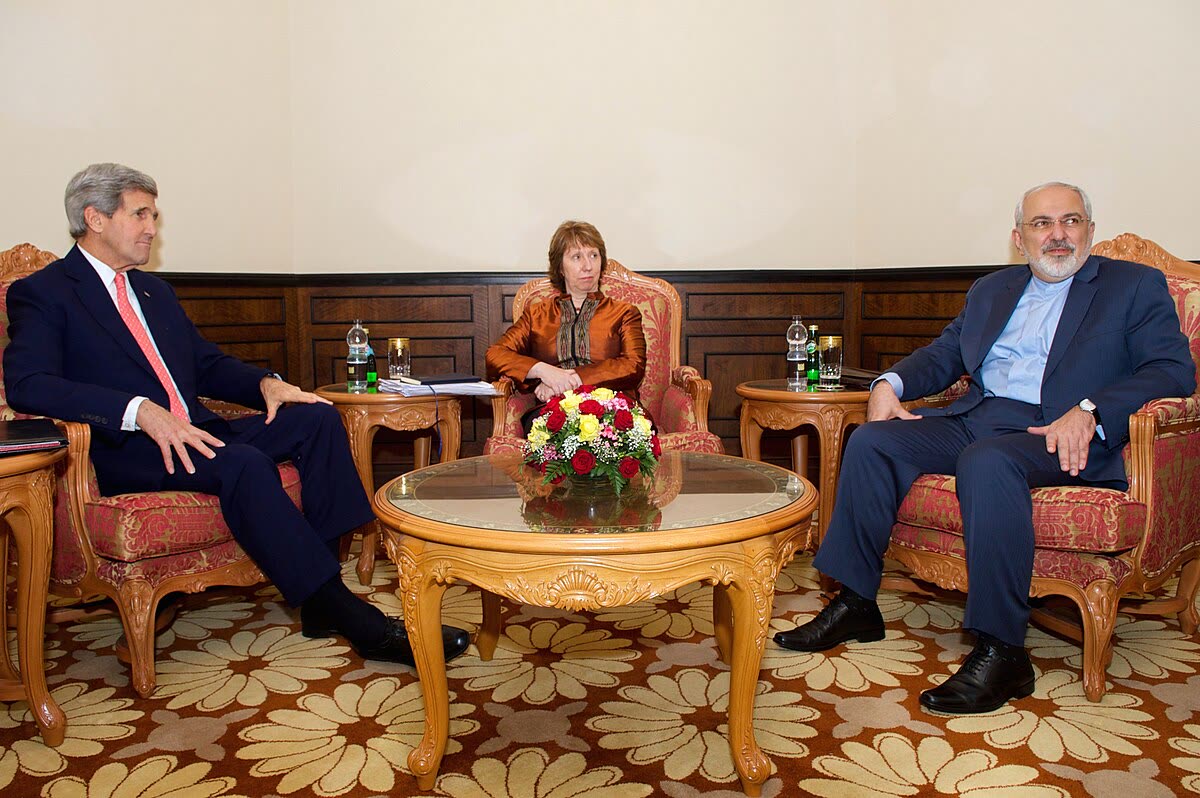
The practical answer is no in the embassy-to-embassy sense, but yes in the narrower sense that messages still travel through protecting powers, intermediaries, and limited official contacts. That distinction matters because many readers hear 'no diplomatic relations' and assume total silence, when the real issue is that communication is slower, more fragile, and easier to misread during crisis windows.
A narrow channel can still be strategically important if it helps deconflict a detention case, a base alert, or a naval incident before it crosses the threshold discussed in Are We At War With Iran Now?. The quality of the channel matters more than its symbolism: a weak but functioning line is often the difference between a contained incident and a wider retaliatory cycle.
| Variable | Current Signal | Risk Implication | Tracking Rule |
|---|---|---|---|
| Formal channels | Rising | Higher near-term uncertainty | Confirm over two windows |
| Indirect channels | Mixed | Potentially bounded escalation | Reassess after policy updates |
| Crisis utility | Stable | De-escalation path possible | Track persistence vs narrative shift |
How Do Sanctions Shape Negotiation Leverage?
Sanctions remain one of the central bargaining tools in US-Iran relations, but their value depends on whether they are paired with a credible diplomatic off-ramp. Pressure without a visible negotiating path can harden positions and produce tactical adaptation instead of policy movement. That is why sanctions should be read as part of a larger leverage architecture, not as an isolated dial that automatically forces concessions.
Readers should watch how enforcement language interacts with oil-market stress, shipping security, and regional deterrence. If sanctions tighten at the same time that maritime risk worsens in pages like Strait of Hormuz Shipping Freeze, the leverage picture becomes more complicated: coercion increases, but so do the incentives for brinkmanship and asymmetric response.
| Variable | Current Signal | Risk Implication | Tracking Rule |
|---|---|---|---|
| Sanctions intensity | Rising | Higher near-term uncertainty | Confirm over two windows |
| Leverage durability | Mixed | Potentially bounded escalation | Reassess after policy updates |
| Negotiation impact | Stable | De-escalation path possible | Track persistence vs narrative shift |
What Role Does Military Signaling Play?
Military signaling does two jobs at once: it reassures allies and warns adversaries, but it also creates room for misreading. Additional deployments, air-defense moves, bomber visibility, and posture statements can be intended as deterrence while still being interpreted as preparation for a strike window. In a relationship as brittle as this one, the signal is rarely received exactly as sent.
The safest way to interpret force moves is to pair diplomacy reporting with capability pages such as US vs Iran and Can Iran Missiles Reach US. That keeps readers from over-weighting the theater of announcements and helps separate theater messaging from genuine changes in exposure, endurance, and likely retaliation options.
| Variable | Current Signal | Risk Implication | Tracking Rule |
|---|---|---|---|
| Posture signals | Rising | Higher near-term uncertainty | Confirm over two windows |
| Deterrence clarity | Mixed | Potentially bounded escalation | Reassess after policy updates |
| Miscalculation risk | Stable | De-escalation path possible | Track persistence vs narrative shift |
How Important Are Backchannels in Crisis Periods?
Backchannels matter most when formal diplomacy is politically costly but strategic clarification is still necessary. They help leaders test proposals, warn about red lines, and reduce the chance that every militia strike or base alert is treated as a direct national decision. In crisis periods, the existence of a channel is less important than its speed, credibility, and ability to carry messages without distortion.
This is also where readers should connect bilateral diplomacy to the wider regional ladder mapped in Proxy Escalation Ladder Middle East. When deniable pressure is rising, backchannels become the mechanism for telling the other side what is deliberate, what is deniable, and what response would trigger a broader cycle.
| Variable | Current Signal | Risk Implication | Tracking Rule |
|---|---|---|---|
| Backchannel cadence | Rising | Higher near-term uncertainty | Confirm over two windows |
| Message coherence | Mixed | Potentially bounded escalation | Reassess after policy updates |
| Deconfliction quality | Stable | De-escalation path possible | Track persistence vs narrative shift |
How Do Regional Allies Influence US Iran Relations?
US-Iran relations are never purely bilateral because allied threat perceptions shape both urgency and limits. Israel, Gulf partners, and European states all influence how Washington frames risk, what it treats as tolerable, and how much diplomatic room it believes it has. That means a shift in ally posture can alter the bilateral relationship even if neither Washington nor Tehran changes its public line first.
For readers, the practical test is whether allied concerns are pulling policy toward reassurance, restraint, or preemption. Pages like Iran vs Israel Military Power and Al Udeid Air Base in Qatar help show why ally preferences matter: they change the operating map, the base-risk picture, and the credibility of coalition signaling.
| Variable | Current Signal | Risk Implication | Tracking Rule |
|---|---|---|---|
| Ally influence | Rising | Higher near-term uncertainty | Confirm over two windows |
| Coordination friction | Mixed | Potentially bounded escalation | Reassess after policy updates |
| Policy bandwidth | Stable | De-escalation path possible | Track persistence vs narrative shift |
What Triggers Sudden Deterioration in Relations?
Relationships like this rarely deteriorate because of one headline alone. The sharper breaks usually come from bundles: a casualty-producing proxy strike, a maritime seizure, a failed backchannel message, or a public red-line challenge followed by visible force movement. When those signals cluster, the political cost of restraint rises quickly and the room for ambiguous signaling narrows.
The right question is not 'was there an incident?' but 'did several stress variables move together?' If a militia attack coincides with shipping disruption, missile alerts, and harder official language, readers should treat that as a genuine deterioration pattern rather than a passing spike. That is exactly why pages like Is Iran Going To Attack The U.S.? and Iran Missile Attack Risk Index belong in the same reading path.
| Variable | Current Signal | Risk Implication | Tracking Rule |
|---|---|---|---|
| Trigger bundle | Rising | Higher near-term uncertainty | Confirm over two windows |
| Deterioration probability | Mixed | Potentially bounded escalation | Reassess after policy updates |
| Trend confirmation | Stable | De-escalation path possible | Track persistence vs narrative shift |
How Should Readers Interpret Public Statements?
Public statements in US-Iran crises are often written for multiple audiences at once: domestic politics, allied reassurance, deterrence messaging, and bureaucratic positioning. That means the language can sound absolute even when policymakers are still preserving room to negotiate. Readers should treat speeches and press releases as signal fragments, not as complete explanations of intent.
The highest-value reading method is statement-action alignment. If officials talk about restraint while operations, sanctions, and regional alerts all accelerate, the operational picture deserves more weight than the speech. The site's Iran and Israel Night Operations and Live Iran War Timeline Archive pages are useful cross-checks because they show whether words and field activity are actually moving together.
| Variable | Current Signal | Risk Implication | Tracking Rule |
|---|---|---|---|
| Statement signal | Rising | Higher near-term uncertainty | Confirm over two windows |
| Action alignment | Mixed | Potentially bounded escalation | Reassess after policy updates |
| Interpretation confidence | Stable | De-escalation path possible | Track persistence vs narrative shift |
What Is the Relationship Between Talks and Escalation Risk?
Talks and escalation risk often rise together rather than move in opposite directions. When negotiations stall, each side may increase pressure to improve its bargaining position. When negotiations resume, spoilers and hardliners can still create violent incidents to narrow the political room for compromise. That is why diplomacy coverage should not be read as an automatic sign of calming conditions.
In practice, the most dangerous phase is the one where both sides still want leverage but no longer trust the process. That is when deniable attacks, signaling sorties, and harsher public terms can coexist with quiet outreach. Readers should connect diplomacy reporting to the broader regional tempo shown in Proxy Escalation Ladder Middle East instead of assuming the existence of talks lowers risk by itself.
| Variable | Current Signal | Risk Implication | Tracking Rule |
|---|---|---|---|
| Talk cadence | Rising | Higher near-term uncertainty | Confirm over two windows |
| Incident tempo | Mixed | Potentially bounded escalation | Reassess after policy updates |
| Risk compression | Stable | De-escalation path possible | Track persistence vs narrative shift |
How Does US Iran Relations History Inform 2026 Forecasts?
History is useful here as a pattern library, not a script. The recurring themes are familiar: sanctions and counter-pressure, indirect messaging, maritime episodes, hostage or detention politics, and periodic spikes in military signaling. Those historical patterns help readers recognize relationship mechanics, but they do not remove the need to evaluate today's force balance, domestic politics, and alliance structure on their own terms.
The mistake is to force every 2026 event into an old template. Some analogies clarify how pressure accumulates; others hide what is new about missile reach, proxy depth, or coalition coordination. That is why history should be read alongside current structure pages like US vs Iran, which update the underlying power comparison instead of assuming past cycles will repeat at the same scale.
| Variable | Current Signal | Risk Implication | Tracking Rule |
|---|---|---|---|
| Pattern reuse | Rising | Higher near-term uncertainty | Confirm over two windows |
| Context breaks | Mixed | Potentially bounded escalation | Reassess after policy updates |
| Forecast reliability | Stable | De-escalation path possible | Track persistence vs narrative shift |
Which Indicators Suggest a Move Toward Stabilization?
Real stabilization usually shows up as a bundle of quieter indicators, not a single optimistic headline. Readers should look for a drop in retaliatory messaging, fewer proxy claims, a steadier maritime picture, and more disciplined official language over several update cycles. If only one part of the system cools while the rest remains active, the calm is probably tactical rather than durable.
A useful test is persistence: do the signals hold for several days, and do they appear across different domains at the same time? If shipping stress eases, force alerts settle, and diplomacy becomes more procedural than theatrical, the probability of a contained period improves. If only rhetoric softens while routes and bases remain tense, readers should treat the moment as a pause, not a reset.
| Variable | Current Signal | Risk Implication | Tracking Rule |
|---|---|---|---|
| Stabilization marker | Rising | Higher near-term uncertainty | Confirm over two windows |
| Persistence test | Mixed | Potentially bounded escalation | Reassess after policy updates |
| False calm risk | Stable | De-escalation path possible | Track persistence vs narrative shift |
US Iran Relations Monitoring Checklist for 2026
A practical monitoring routine should start with five questions. Are diplomatic channels active or silent? Have sanctions, waivers, or enforcement language changed? Has military posture shifted in a way that affects actual exposure? Are proxy or maritime incidents becoming more frequent? Do public statements match field behavior? Those questions create a cleaner baseline than chasing every headline in isolation.
The second step is to decide what would justify a real baseline revision. One new speech usually does not. A coordinated change across diplomacy, force posture, and incident tempo might. If the answer to several checklist items changes at once, readers should update their view of the relationship and then move through the cluster: US vs Iran for capability context, Are We At War With Iran Now? for threshold framing, and Live Iran War Timeline Archive for chronology.
| Variable | Current Signal | Risk Implication | Tracking Rule |
|---|---|---|---|
| Checklist cadence | Rising | Higher near-term uncertainty | Confirm over two windows |
| Revision thresholds | Mixed | Potentially bounded escalation | Reassess after policy updates |
| Branch outcomes | Stable | De-escalation path possible | Track persistence vs narrative shift |

FAQ: US Iran Relations in 2026: Diplomatic and Deterrence Framework
Does the US have diplomatic relations with Iran?
Not in a full embassy-to-embassy format; communication is typically indirect, mediated, or conducted through limited diplomatic channels and multilateral venues.
Why are US Iran relations still unstable in 2026?
Because sanctions, regional conflict pressure, and periodic military signaling continue to compete with narrow diplomatic openings.
What indicator is most useful for near-term forecasting?
Backchannel tempo combined with force-posture changes usually provides earlier signal than public rhetoric alone.
How should readers separate real policy shifts from messaging?
Track statement-action alignment: when policy tools, deployments, and diplomatic activity move together, signal quality is higher.
How often should this US Iran relations model be updated?
Update daily in normal periods and every 6 to 12 hours during active escalation windows or major diplomatic events.
External references: CSIS, IISS, Reuters Middle East.