Iran vs israel military power analysis is most useful when it integrates missiles, airpower, defense depth, and command endurance into one model rather than treating each domain separately. Used alongside missile risk scoring, interceptor capacity analysis, and night-operations breakdowns, this page helps readers assess likely campaign trajectories instead of one-off strike headlines.
The purpose is not prediction theater; it is disciplined comparison. We focus on which variables degrade first, which systems absorb pressure best, and which indicators signal a coming shift in escalation balance.
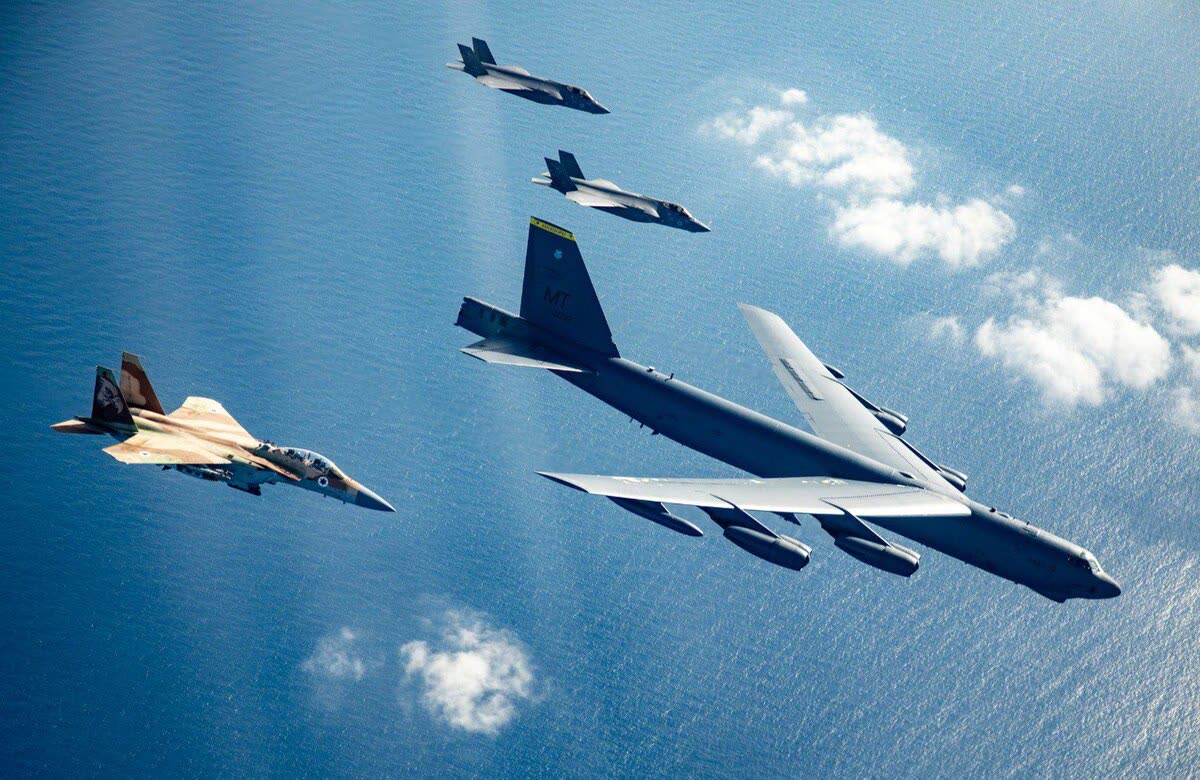
What Does Iran vs Israel Military Power Mean in Practice?
In practice, Iran vs Israel military power is not a spreadsheet contest. The useful question is how each side converts inventory into campaign effect once warning time, geography, defense depth, and command friction are included. A force can look dominant in a headline and still struggle if it cannot sustain tempo, replace losses, or keep decision quality intact after the first shock.
That is why readers should treat this page as a bridge between platform-level stories and campaign-level outcomes. The site's Iran and Israel Night Operations page shows how one exchange unfolds tactically, while US vs Iran is useful when the question expands from bilateral comparison to the wider regional balance.
| Variable | Current Signal | Risk Implication | Tracking Rule |
|---|---|---|---|
| Inventory count | Rising | Higher near-term uncertainty | Confirm over two windows |
| Operational effect | Mixed | Potentially bounded escalation | Reassess after policy updates |
| Constraint burden | Stable | De-escalation path possible | Track persistence vs narrative shift |
How Do Strike Systems Compare Across Domains?
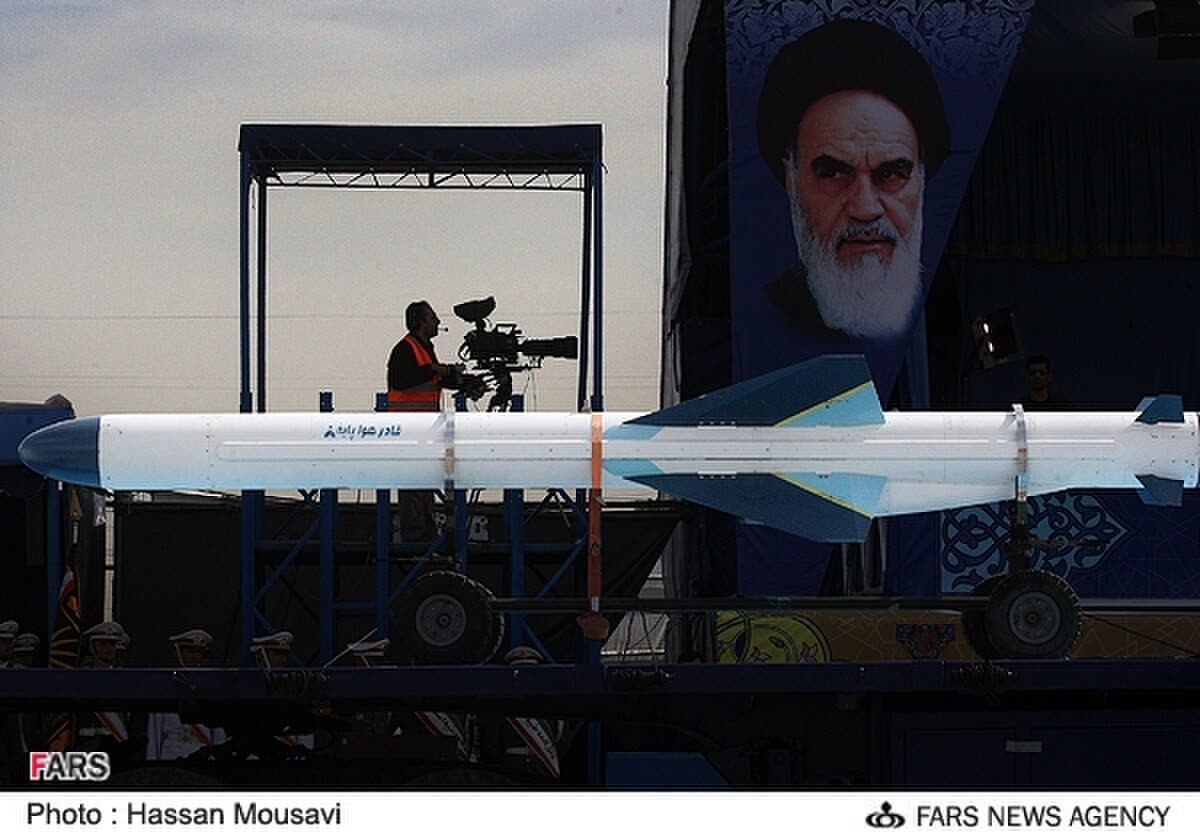
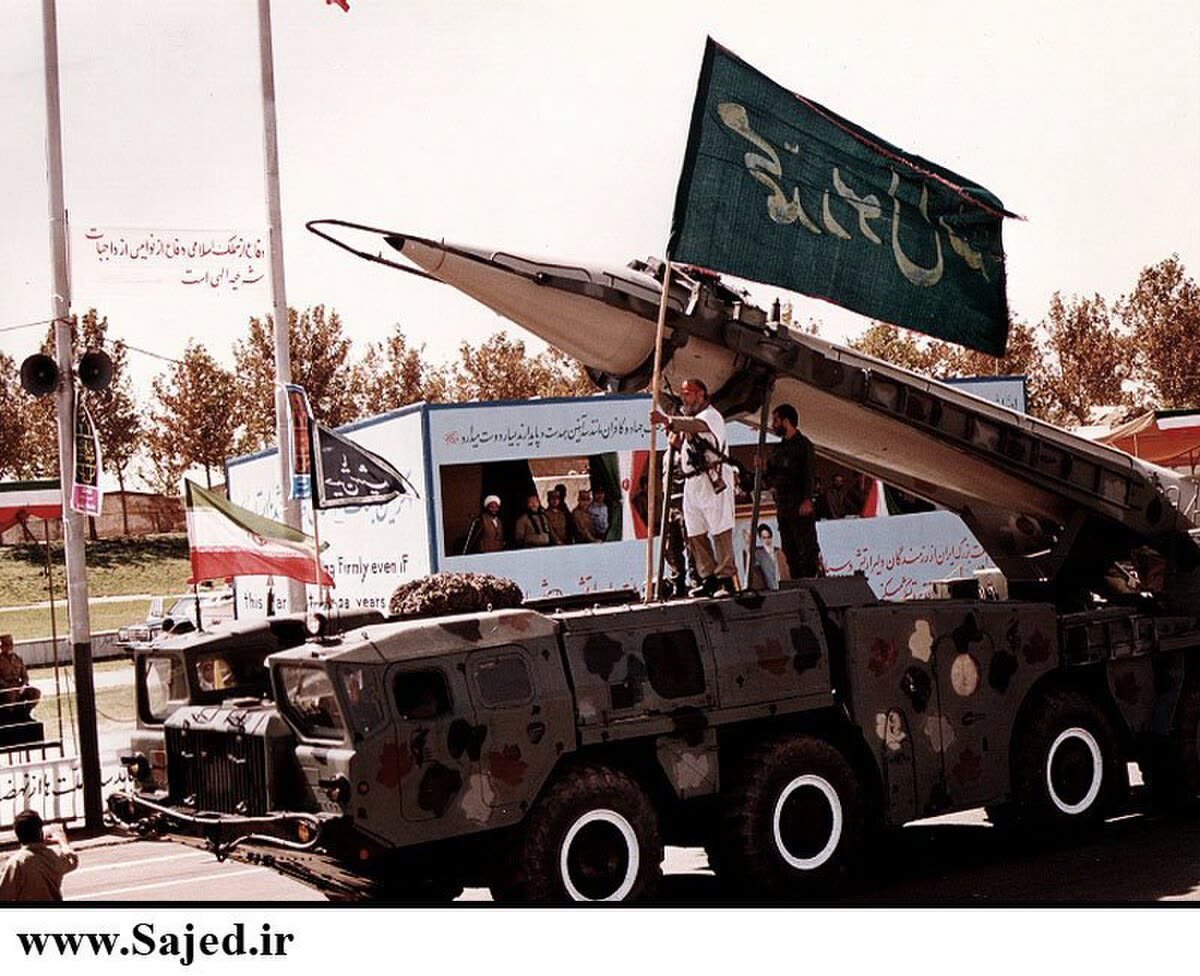
The strike comparison is asymmetric by design. Israel tends to lean on precision airpower, higher-end ISR integration, and selective target effects, while Iran's pressure model depends more on missile volume, drone layering, and the ability to keep launching from multiple directions over time. Comparing them honestly means asking which side can still produce useful combat output after the easiest first moves are gone.
Cross-domain substitution matters because each side will lose efficiency somewhere first. If aircraft become harder to risk, missiles and drones take more burden. If defensive costs rise, lower-cost systems can be used to create openings for higher-value strikes. That is why this page pairs naturally with Iran Missile Attack Risk Index and Iran Drone Swarm Tactics Analysis.
| Variable | Current Signal | Risk Implication | Tracking Rule |
|---|---|---|---|
| Strike mix | Rising | Higher near-term uncertainty | Confirm over two windows |
| Substitution options | Mixed | Potentially bounded escalation | Reassess after policy updates |
| Attrition sensitivity | Stable | De-escalation path possible | Track persistence vs narrative shift |
Which Side Has the Airpower Advantage Over Time?
Israel usually enters this comparison with the clearer airpower edge in training, integration, and precision mission planning. That advantage matters most early, when sortie quality and target selection can shape the tempo of the campaign before adaptation sets in. But airpower is only decisive if it remains available after airfields, tanking plans, maintenance cycles, and defensive cover are all stressed repeatedly.
Over time, the airpower question becomes less about who has the better aircraft and more about who preserves usable sortie rhythm. Runway repair, tanker support, munitions management, and pilot fatigue all matter. Readers who want to understand how that advantage translates into actual nightly operations should compare this section with Iran and Israel Night Operations.
| Variable | Current Signal | Risk Implication | Tracking Rule |
|---|---|---|---|
| Sortie rate | Rising | Higher near-term uncertainty | Confirm over two windows |
| Readiness cycle | Mixed | Potentially bounded escalation | Reassess after policy updates |
| Sustainability | Stable | De-escalation path possible | Track persistence vs narrative shift |
How Important Is Missile Defense Endurance?
Missile defense endurance is one of the fastest ways a force comparison shifts from abstract to practical. A defense network can look unbeatable in a single exchange and still degrade sharply if repeated salvos burn through interceptors, crew attention, and re-engagement time. For Israel in particular, the question is not whether defenses can work, but how long they can keep working at high confidence under saturation.
That makes endurance more important than headline interception percentages. Once a defense architecture is forced into triage, every incoming track becomes a resource decision. The site's Gulf Air Defense Interceptor Capacity page is useful here because it models the same endurance problem from the defender's side rather than the attacker-versus-defender comparison.
| Variable | Current Signal | Risk Implication | Tracking Rule |
|---|---|---|---|
| Interceptor depth | Rising | Higher near-term uncertainty | Confirm over two windows |
| Saturation pressure | Mixed | Potentially bounded escalation | Reassess after policy updates |
| Defense endurance | Stable | De-escalation path possible | Track persistence vs narrative shift |
How Do Command and Control Architectures Differ?
Command architecture shapes how quickly military power becomes usable power. Israel's edge is often discussed in terms of networked decision speed and tighter integration across sensors and shooters, while Iran's comparative strength lies more in redundancy, distributed pressure mechanisms, and the ability to keep some form of offensive action going even when the picture is incomplete. Those are different kinds of resilience, and each matters in different phases.
The real comparison is what happens when communications are stressed, public narratives accelerate, and leadership has to choose between escalation and conservation under time pressure. Command systems fail in different ways: some slow down, others fragment, and others stay active but become less discriminating. Readers should watch for that distinction rather than assuming every disruption produces the same operational effect.
| Variable | Current Signal | Risk Implication | Tracking Rule |
|---|---|---|---|
| Command speed | Rising | Higher near-term uncertainty | Confirm over two windows |
| Resilience depth | Mixed | Potentially bounded escalation | Reassess after policy updates |
| Degradation path | Stable | De-escalation path possible | Track persistence vs narrative shift |
What Role Does Geography Play in Force Balance?
Geography is one of the main reasons this comparison cannot be reduced to a generic 'who is stronger' answer. Range, basing options, maritime approach corridors, and the need to move through defended airspace all impose different kinds of friction on each side. Iran benefits from depth and launch dispersion, while Israel benefits from tighter integration and the ability to concentrate effect if access and sustainment are preserved.
A good force comparison should always ask where the campaign is being fought from, not only what platforms exist on paper. Pages like Persian Gulf Map and Map of Iran and Iraq are useful because they show how route geometry and corridor choice can change what looks possible in a briefing room.
| Variable | Current Signal | Risk Implication | Tracking Rule |
|---|---|---|---|
| Distance constraints | Rising | Higher near-term uncertainty | Confirm over two windows |
| Basing flexibility | Mixed | Potentially bounded escalation | Reassess after policy updates |
| Approach friction | Stable | De-escalation path possible | Track persistence vs narrative shift |
How Do Logistics Shape Military Power Outcomes?
Logistics decides whether an early advantage survives contact with time. Maintenance throughput, munitions replacement, spare-parts depth, and the ability to repair infrastructure under pressure all determine whether a force can keep producing credible combat output after the first 24 hours. A side that spends fast and regenerates slowly can look stronger at the opening and weaker by the third cycle.
This is where military power starts to overlap with politics and industrial discipline. If a campaign is prolonged, the side with the cleaner sustainment loop can often preserve better decision options even without winning every tactical exchange. Readers should use the Live Iran War Timeline Archive as a check on whether the rhythm of real events is reinforcing or degrading the logistics picture.
| Variable | Current Signal | Risk Implication | Tracking Rule |
|---|---|---|---|
| Resupply reliability | Rising | Higher near-term uncertainty | Confirm over two windows |
| Maintenance throughput | Mixed | Potentially bounded escalation | Reassess after policy updates |
| Endurance limit | Stable | De-escalation path possible | Track persistence vs narrative shift |
Who Would Win Israel or Iran Under Short Campaign Windows?
In a short 24-to-72-hour window, the edge usually goes to the side that can impose cleaner early effects while keeping its defenses coherent. That tends to favor Israel in airpower quality and target discrimination, but the answer is still conditional. Iran does not need battlefield dominance to alter the outcome; it only needs enough missile and drone pressure to raise costs, complicate tempo, and force defensive triage.
That is why 'who would win' is a worse question than 'which side can achieve its short-window objective first.' One side may seek disruption, the other suppression. If Iranian launch depth remains intact, or if defenses are forced into conservative allocation, the short campaign can end without a decisive military verdict even if one side performed better tactically.
| Variable | Current Signal | Risk Implication | Tracking Rule |
|---|---|---|---|
| Short-window drivers | Rising | Higher near-term uncertainty | Confirm over two windows |
| Outcome sensitivity | Mixed | Potentially bounded escalation | Reassess after policy updates |
| Uncertainty range | Stable | De-escalation path possible | Track persistence vs narrative shift |
How Does the Balance Change in Longer Campaigns?
Longer campaigns reward durability more than brilliance. As exchanges extend, the comparison shifts toward interceptor burn rate, sortie regeneration, repair capacity, political tolerance, and the quality of replacement decisions. A side with the higher-end force can still lose strategic efficiency if it is pulled into a long defensive cycle with rising protection costs.
That is the point where the balance can drift even without a dramatic battlefield event. Repeated salvos, shipping stress, and broadening regional risk all change the cost curve. Readers should connect this section to Gulf Air Defense Interceptor Capacity because it shows how a prolonged campaign can punish the defender's inventory discipline even when the underlying network stays intact.
| Variable | Current Signal | Risk Implication | Tracking Rule |
|---|---|---|---|
| Long-window durability | Rising | Higher near-term uncertainty | Confirm over two windows |
| Cumulative stress | Mixed | Potentially bounded escalation | Reassess after policy updates |
| Balance drift | Stable | De-escalation path possible | Track persistence vs narrative shift |
Which Indicators Signal a Coming Balance Shift?
The best leading indicators are usually operational rather than rhetorical: launch tempo that stops recovering, runway or base repair taking longer than expected, communications friction, a visible drop in interception confidence, or changes in target selection that suggest conservation rather than initiative. Those are the clues that the balance is moving from theoretical parity into a more directional campaign story.
A single incident is rarely enough to call a shift. The signal becomes more credible when several categories move together across the timeline. That is why pages like Iran Missile Attack Risk Index and Live Iran War Timeline Archive are valuable alongside this one: they help confirm whether the pressure is isolated or systemic.
| Variable | Current Signal | Risk Implication | Tracking Rule |
|---|---|---|---|
| Leading indicator | Rising | Higher near-term uncertainty | Confirm over two windows |
| Confirmation rule | Mixed | Potentially bounded escalation | Reassess after policy updates |
| Shift probability | Stable | De-escalation path possible | Track persistence vs narrative shift |
How Strong Is Israel's Military Relative to Iranian Strike Depth?
Israel's relative military strength comes from precision, integration, and the ability to coordinate air and missile defense effects at a high level. Iran's comparative leverage comes from strike depth, volume, and the ability to keep presenting problems after the first exchange. The comparison becomes meaningful only when those two profiles are placed in the same time window rather than treated as separate arguments.
Put simply, Israel is stronger in the quality-to-effect chain; Iran is more dangerous in the persistence-to-disruption chain. That is why readers should not confuse Israeli military quality with immunity from pressure, or Iranian strike depth with campaign superiority. Each side threatens the other in different ways, and the balance changes depending on whether the fight is measured in hours, days, or repeated cycles.
| Variable | Current Signal | Risk Implication | Tracking Rule |
|---|---|---|---|
| Relative strength | Rising | Higher near-term uncertainty | Confirm over two windows |
| Precision-volume tradeoff | Mixed | Potentially bounded escalation | Reassess after policy updates |
| Tempo resilience | Stable | De-escalation path possible | Track persistence vs narrative shift |
Iran vs Israel Military Power Checklist for 2026
A useful force-balance checklist should ask the same questions every cycle. Which side preserved initiative? Which side absorbed higher defensive cost? Did sortie quality or missile accuracy decline? Are launch and repair rhythms improving or slipping? Is command behavior becoming more cautious, more fragmented, or more confident? Those questions keep the analysis grounded in observable change instead of headline volume.
The second discipline rule is to avoid declaring a winner too early. Readers should move through the cluster before upgrading confidence: Iran and Israel Night Operations for tactical shape, Iran Missile Attack Risk Index for exposure, and Gulf Air Defense Interceptor Capacity for defensive endurance. That sequence gives a better answer than any single viral claim.
| Variable | Current Signal | Risk Implication | Tracking Rule |
|---|---|---|---|
| Checklist cadence | Rising | Higher near-term uncertainty | Confirm over two windows |
| Discipline rules | Mixed | Potentially bounded escalation | Reassess after policy updates |
| Scenario branch | Stable | De-escalation path possible | Track persistence vs narrative shift |
FAQ: Iran vs Israel Military Power in 2026: Capability and Endurance
Who has more military power, Iran or Israel?
The answer depends on timeframe and domain: Israel generally has stronger integrated airpower and defense networking, while Iran can impose pressure through missile volume, drones, and regional depth.
Is inventory size enough to compare force balance?
No; campaign endurance, command resilience, interception depth, and logistics reliability determine whether inventories translate into sustained operational effect.
What is the biggest uncertainty in this comparison?
The largest uncertainty is how quickly each side can regenerate effective combat output after initial high-tempo exchanges.
What indicator should analysts monitor first during escalation?
Track sortie sustainability and interceptor burn rates together, because that combination usually reveals whether the balance is stabilizing or tilting.
How often should this force-balance model be updated?
During active windows, update every 6 to 12 hours and re-baseline immediately after major posture or infrastructure changes.
External references: CSIS, IISS, Reuters Middle East.