Iran ceasefire terms are best understood as a conditional operating framework rather than a final peace settlement: direct strikes are reduced, maritime passage is partially normalized, and negotiators get a short diplomatic window to test whether conflict can move from battlefield signaling to enforceable sequencing. If you are monitoring escalation risk, combine this page with the live Iran war timeline archive, the Strait of Hormuz closure timeline, and the US-Iran relations framework so each day of new claims can be measured against baseline behavior.
Public confusion around this topic is not accidental. Ceasefire language in fast conflicts is often intentionally ambiguous because parties need room to claim tactical victory at home while keeping talks alive abroad. That ambiguity creates volatility for shipping operators, insurers, energy traders, and policy teams who need a binary answer but get layered conditions instead. The practical response is to monitor execution indicators over declarations: transit throughput, strike counts, attribution quality, negotiation attendance, and sanctions signaling.

What are the iran ceasefire terms right now?
The active structure can be modeled in five pillars: lower direct strike activity, maritime deconfliction around Hormuz, a short negotiation clock, contested proxy scope, and unresolved sequencing over sanctions and security mechanisms. None is self-executing, so each element requires verification and a shared threshold for breach.
| Term Area | Early Success Signal | Failure Trigger |
|---|---|---|
| Direct kinetic activity | Seven-day downward launch trend | High-casualty retaliatory strike |
| Maritime passage | Stable vessel count and low delay | Seizure, toll dispute, or convoy confrontation |
| Negotiation window | Delegations attend and publish agenda | Walkout before sequencing document |
Why are the terms disputed even when fighting slows?
Ceasefires are negotiated under asymmetric objectives. One side may prioritize maritime reopening and force protection, while another prioritizes sanctions relief and political legitimacy. When objectives diverge, wording becomes elastic by design, and that elasticity raises misunderstanding risk.
If scope is ambiguous and verification is weak, ceasefires become narratives first and security arrangements second.
Scope ambiguity over proxies and verification ambiguity over what constitutes prohibited action are the two recurring sources of friction. In practical monitoring, classify incidents by operational effect, not political label.

How long can this type of ceasefire hold?
Short crisis ceasefires are usually stressed in three windows: first 48 hours, day 3-7, and day 8-14. The first tests command discipline; the second tests attribution and incident handling; the third tests whether talks can convert pause into sequence.
Durability is less about one concession and more about synchronized de-risking across military and economic channels. Even falling strike counts can be offset by maritime pressure or sanctions rhetoric.
What are the main failure points?
The major break channels are attribution shock, maritime coercion, proxy divergence, and sequencing deadlock. Attribution shocks are fastest because leaders have little political room to absorb perceived humiliation.
Maritime coercion can be slower but equally destabilizing because it widens stakeholders from militaries to insurers, ports, and commodity desks. Information operations around disputed terms can also manufacture justification for renewed force.
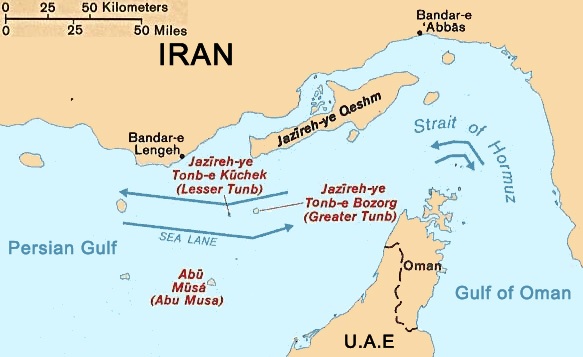
Does Hormuz traffic prove the deal is working?
Hormuz traffic is a strong indicator, but not a standalone verdict. Pair transit volume with delay, war-risk pricing, and naval posture to avoid false stability readings.
| Indicator | Stable | Warning | Escalation |
|---|---|---|---|
| Daily vessel transits | Near baseline | Stop-start flow | Sustained contraction |
| Average delay | Hours | Unpredictable queues | Multi-day holds |
| War-risk premium | Easing | Sticky elevated | Rapid repricing up |
What should observers track daily?
Track confirmed strike count by theater, confirmed maritime incidents, negotiation attendance, insurance drift, and official language shifts around “conditions,” “extensions,” and “violations.” Score each category with confidence notes so trend changes are measurable.
Scenario model: 7, 30, and 90 day outlook
Base case is a fragile hold with episodic violations. Scenario A is controlled de-escalation with normalized shipping and a phased text. Scenario B is cyclical friction. Scenario C is collapse and expansion after one high-visibility incident. Probability shifts are driven by behavior, not rhetoric.
How insurance and freight markets read ceasefire risk
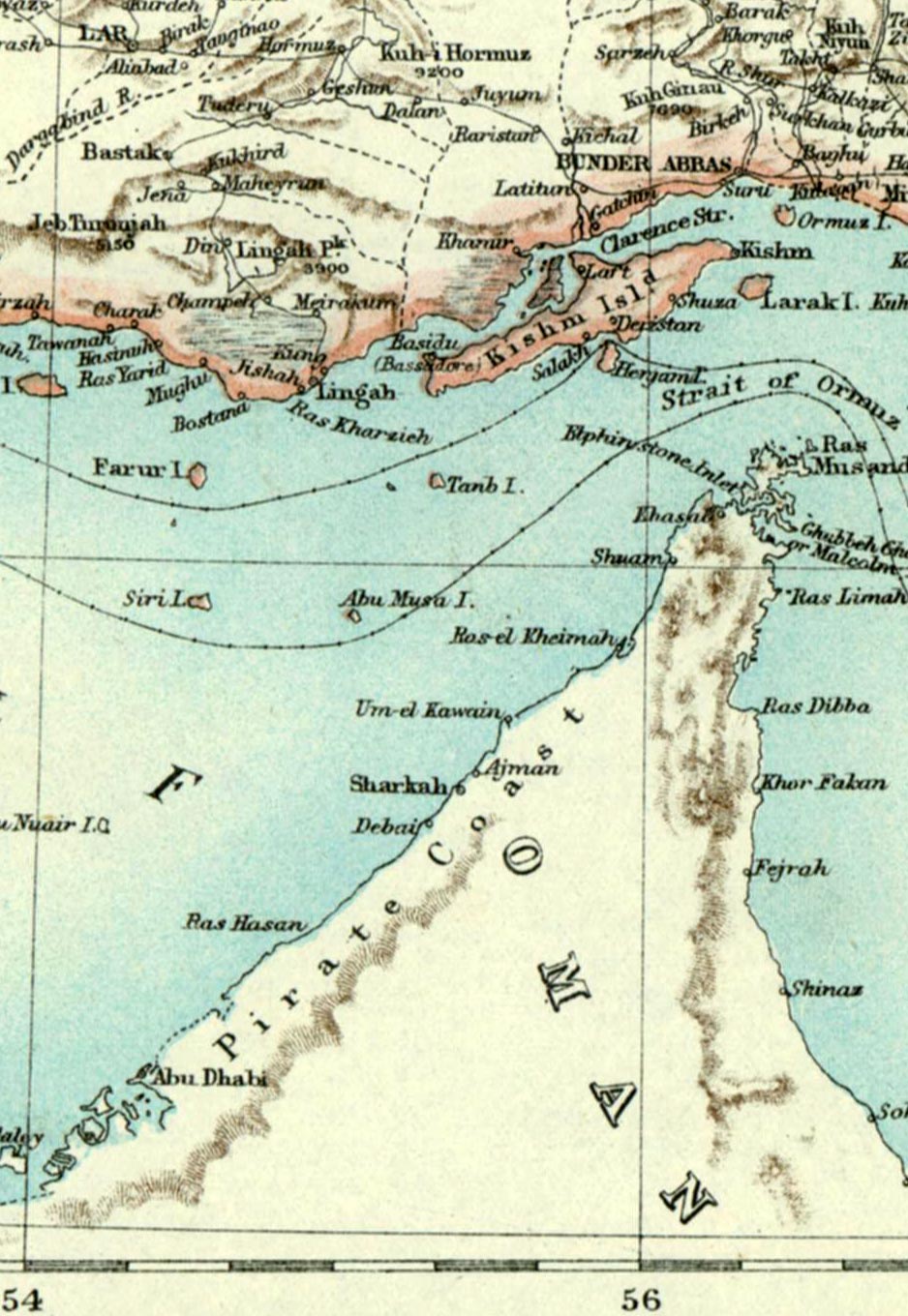
Insurance and freight markets usually react faster than official communiques because they price expected disruption, not stated intent. War-risk underwriters and chartering desks continuously revalue exposure as new incidents are confirmed, then pass those costs through to shipping routes, fuel procurement plans, and downstream commodity contracts. For analysts, this creates a useful reality check: if political statements claim stabilization while insurance spreads remain stubbornly wide, operational confidence is still weak.
Three market channels matter most. First, war-risk premium direction: a genuine stabilization cycle should show gradual compression, not flat or rising rates. Second, reroute economics: if vessel operators still choose longer routes despite higher fuel burn, they are signaling distrust of corridor reliability. Third, financing terms: banks and trade-credit providers often tighten limits before public incidents escalate, because they are watching concentration risk in real time.
These channels are valuable because they aggregate judgments from multiple actors who are financially exposed to error. Market participants can be wrong in either direction, but persistent pricing divergence from official narratives often precedes policy re-evaluation. For a practical monitoring routine, pair conflict-event data with daily premium snapshots and weekly routing changes to identify whether behavior is converging toward stability or merely pausing under uncertainty.
| Market Signal | Improving Pattern | Deteriorating Pattern | Interpretation |
|---|---|---|---|
| War-risk insurance | Steady week-over-week easing | Flat-to-rising despite low strike counts | Confidence gap between politics and operations |
| Tanker charter rates | Normalization toward pre-crisis bands | Persistent surge and short-duration contracts | Operators still pricing disruption |
| Route selection | Return to direct corridor preference | Continued detours and convoy dependence | Transit trust remains limited |
What diplomats need before a pause becomes an agreement
Temporary pauses become durable agreements only when negotiators lock down sequence, verification, and consequence. Sequence means parties agree on who moves first and what happens next; verification means there is a credible mechanism to confirm whether each step occurred; consequence means both sides know what triggers partial rollback, escalation control, or mediation intervention. Missing any one of these three usually returns the system to cyclical friction.
A useful negotiation structure is modular rather than maximalist. Start with a narrow package that is testable in days, not months: basic strike restraint commitments, maritime passage rules, and an incident hotline protocol. Once this package survives first contact with real-world stress, expand toward harder issues such as sanctions sequencing, regional force posture, and proxy constraints. This staged approach reduces the chance that one unresolved major issue collapses the entire track.
Observers should also watch text discipline. Durable frameworks rely on shared wording for terms like “violation,” “exception,” and “self-defense.” If each side uses different definitions publicly, technical teams are forced to arbitrate political meaning during crises, which increases reaction-time risk. Language coherence is not a cosmetic point; it is a core operational control.
Practical monitoring checklist for decision teams
Decision teams need a checklist that is simple enough to run every day and strict enough to prevent narrative drift. A strong checklist starts with source discipline: at least two independent confirmations for high-impact events, with a timestamp and confidence score attached. Next is threshold discipline: predefine what constitutes “material deterioration” so teams do not improvise under pressure. Finally, action discipline: pair each threshold with a concrete response option, such as hedging adjustment, routing change, staffing shift, or communication update.
One effective pattern is a morning baseline and evening variance report. The baseline records overnight incident counts, transit quality, and negotiation status. The variance report then flags changes from baseline with explicit attribution confidence and expected impact horizon. Over a week, this produces a clean trendline that supports board-level decisions without forcing leaders to parse every headline individually.
This workflow can be scaled for different audiences. Security operations teams may focus on immediate incident indicators and force-protection implications. Market teams may emphasize shipping and premium metrics. Executive teams may focus on breach probability and exposure posture. What matters is consistency across versions, so all teams are acting on one analytic spine rather than parallel interpretations.
Bottom line: how to read iran ceasefire terms without overreacting
The most defensible reading of iran ceasefire terms is that they describe a live negotiation environment with real but reversible risk reduction. That means neither complacency nor panic is justified by single-day changes. Durable confidence requires converging evidence across military activity, maritime behavior, diplomatic process, and market pricing over multiple consecutive days.
If one channel improves while the others deteriorate, treat the system as fragile. If all channels trend positively and stay coherent through a stress event, treat that as the first credible signal of transition from truce to framework. This approach does not eliminate uncertainty, but it does convert uncertainty into manageable, testable decision criteria.
In practice, the strongest advantage belongs to teams that define thresholds before shocks occur. Predefined thresholds reduce emotional decision swings, accelerate cross-functional alignment, and improve communication quality during volatile periods. That is the operational value of a structured ceasefire-monitoring model: it transforms noisy conflict narratives into disciplined action under pressure.
A final operational point is update cadence. In ceasefire phases, conditions can shift faster than weekly reporting cycles, so teams should maintain at least twice-daily assessments with explicit “no change” documentation when indicators remain stable. Recording no-change states sounds trivial, but it prevents accidental narrative drift and gives analysts a clear audit trail when conditions later deteriorate. The combination of structured cadence, threshold discipline, and cross-domain validation is what turns ceasefire monitoring into an actionable management system rather than a reactive media routine.
FAQ: iran ceasefire terms
What are the iran ceasefire terms?
They are conditional terms centered on reduced direct attacks, controlled maritime passage, and a short diplomacy window.
How long can the iran ceasefire hold?
Most short truce models are stressed between day 3 and day 14 unless maritime flow and incident handling stabilize.
What would break the iran ceasefire first?
High-casualty incidents with disputed attribution or abrupt maritime coercion in Hormuz are the fastest breakpoints.
Does Hormuz traffic prove the ceasefire is working?
It is a strong signal, but you still need delay, pricing, and strike data to confirm true stability.
External references: CSIS ceasefire analysis, Council on Foreign Relations brief, PBS negotiation explainer.