Strait of hormuz closure timeline analysis starts with a practical baseline: markets price disruption probability immediately, while physical flow losses emerge in steps as vessel queues, convoy friction, and risk controls accumulate. To understand duration, readers should combine this page with our Strait of Hormuz map, war-risk insurance guide, and shipping freeze briefing, then track whether signals are stabilizing or compounding.
This article focuses on time structure, not abstract geopolitics. The question most readers ask is simple: how long would a closure last before shipping normalizes? The answer is scenario-dependent, but the timeline can be modeled with observable markers. Instead of waiting for definitive official statements, teams can monitor lane behavior, insurance quotes, advisory language, and reroute economics in near real time to estimate whether the event is a short shock, a prolonged choke, or an unstable stop-start cycle.
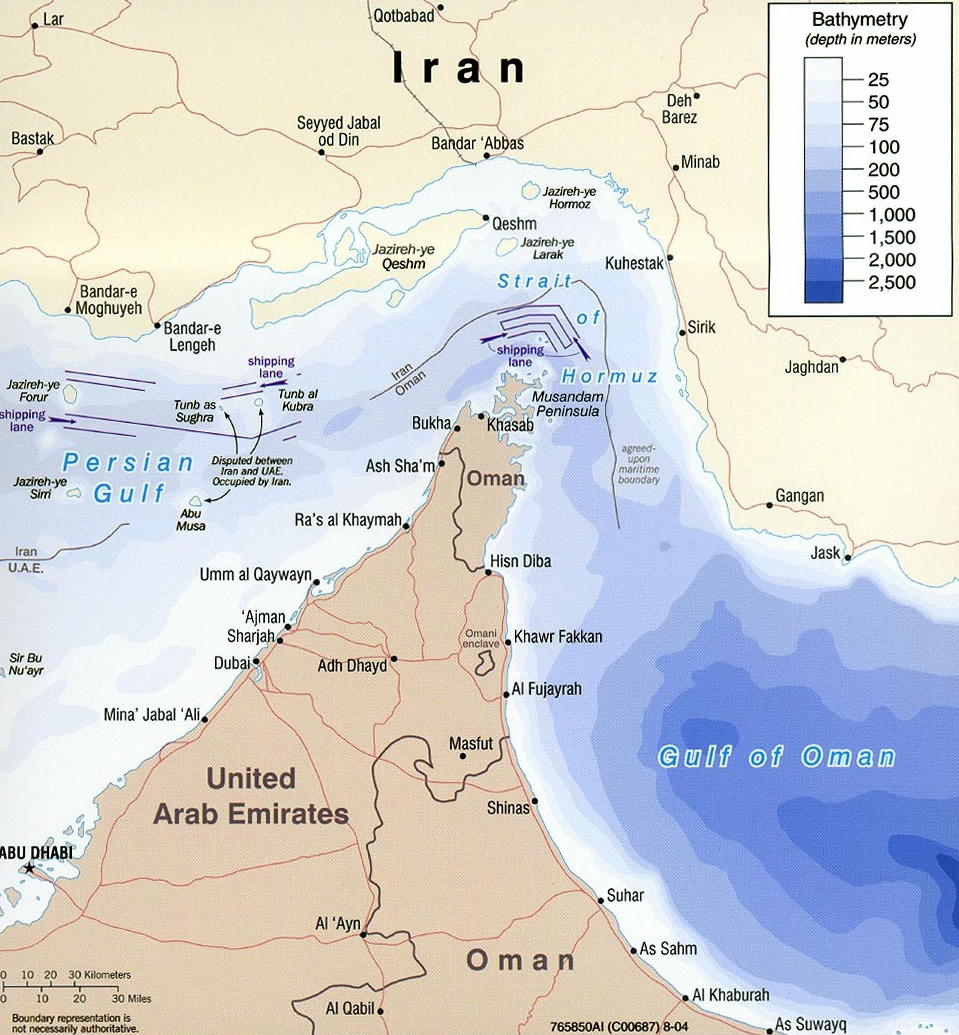
What happens in the first 24 hours of a Hormuz closure?
The first 24 hours are usually dominated by uncertainty pricing, not confirmed volume collapse. Charter desks widen assumptions, underwriters raise provisional war-risk quotes, and operators pause marginal transits while waiting for clearer corridor guidance. In this window, information asymmetry is the core risk. Some vessels slow preemptively, others hold position, and some proceed under heightened caution depending on cargo urgency and contractual penalties.
Because the corridor is a chokepoint, even short delays can appear as a capacity shock if outbound traffic compresses into fewer safe windows. This is why short interruptions often look larger than they are. The timeline signal to watch is queue persistence. If queues shrink within one to two cycles, the event may remain a volatility spike. If queues expand and ship speed remains suppressed across repeated windows, the event is transitioning toward a sustained disruption phase.
First-day rulePrice shock can be immediate, but durable supply shock usually needs persistent transit friction over multiple consecutive windows.
| Hour Window | Typical Signal | Immediate Impact | What To Track Next |
|---|---|---|---|
| 0-6 hours | Transit hesitation | Freight volatility | Authority language changes |
| 6-12 hours | Insurance repricing | Cost pass-through expectations | Quote dispersion among underwriters |
| 12-24 hours | Queue pattern emerges | Potential physical delay risk | Whether queues compress or expand |
How long can a Strait of Hormuz shipping disruption last?
Most modeled disruptions cluster into three duration bands. First is a short shock measured in one to three days, where traffic slows but convoy support and risk tolerance restore flow quickly. Second is a medium event of roughly one to two weeks, where repeated incidents, persistent advisory hardening, or convoy limits keep throughput below baseline. Third is an extended event beyond a month, typically requiring sustained hostile pressure plus inadequate confidence in safe passage conditions.
The key is that duration is not fixed by a single incident; it is produced by interaction among security pressure, insurance willingness, and operator confidence. A high-profile attack does not automatically create a long closure if corridor control is rapidly re-established. Conversely, no single dramatic event may occur, yet closure-like conditions can persist if low-grade harassment, legal uncertainty, and elevated premiums repeatedly discourage transit. This is why analysts should avoid binary framing and instead monitor whether each cycle improves, plateaus, or degrades operating confidence.
For baseline context, public references such as the U.S. Energy Information Administration global chokepoint brief and IEA oil-security guidance are useful for understanding why even partial constraints in Hormuz matter systemically rather than locally.
U.S. EIA: World Oil Transit Chokepoints and IEA: Oil Security remain practical references for grounding timeline assumptions in global flow mechanics.
Which markets react first: oil, LNG, or freight?
Freight and insurance typically move first because contracts are repriced against immediate route risk. Oil benchmarks often jump quickly as expectations shift, but the persistence of that move depends on whether physical loading and delivery delays follow. LNG can display sharper regional effects because destination flexibility, shipping distances, and contract structures vary more than in some crude streams. In all three cases, duration expectations drive magnitude: a one-day scare and a two-week disruption can share a headline but not the same balance-sheet consequences.
This sequencing matters operationally. If freight and insurance normalize while crude stays elevated, the market may be pricing strategic uncertainty rather than imminent logistics failure. If all three move together and remain elevated, disruption probability is likely climbing. Traders, shipping managers, and policy teams should therefore map market behavior against observed corridor function, not media tone alone.

What bypass capacity exists outside the strait?
Bypass capacity is the first mitigation question after closure risk rises. Regional producers have some pipeline routes that avoid Hormuz for part of their exports, but aggregate bypass throughput is smaller than normal seaborne flow through the chokepoint. That means bypass systems can reduce shock severity without fully replacing baseline maritime capacity. The timeline implication is direct: even with active bypass use, a sustained closure can still produce meaningful delivery frictions and price pressure if outbound demand remains high.
In practice, bypass effectiveness depends on spare pipeline capacity, export terminal readiness, and downstream refinery compatibility with substitute grades and schedules. If those constraints are manageable, the closure timeline can remain in a medium-duration band with partial cushioning. If they are not, financial and physical stress can reinforce each other and extend the disruption window.
| Mitigation Lever | Strength | Timeline Effect | Constraint |
|---|---|---|---|
| Pipeline bypass routes | Moderate | Reduces peak shock | Finite throughput |
| Inventory drawdown | Short-term | Buys time in early phase | Replenishment cost |
| Demand-side substitution | Variable | Eases later-stage pressure | Regional mismatch |
For inventory context, U.S. and international stock policies are visible through public reporting such as EIA petroleum data and IEA security frameworks, which help estimate how long cushion mechanisms can stabilize expectations before resupply needs dominate.
U.S. EIA petroleum datasets provide recurring baseline indicators useful for closure-duration scenario planning.
How do war-risk insurance premiums shape the timeline?
Insurance is often the most sensitive early warning system for closure duration. Premiums can rise before confirmed incidents if underwriters believe corridor risk has structurally changed. Once premiums jump, charter economics and voyage decisions adjust quickly, which can extend disruption even after immediate security pressure eases. In effect, insurance can create a lag between tactical stabilization and commercial normalization.
This lag is why closure modeling should include a dedicated insurance recovery phase. A corridor may be technically open while still commercially constrained if premium levels remain punitive for lower-margin routes. Conversely, premium compression across successive quoting windows is one of the clearest reopening indicators because it reflects underwriter confidence, not only official messaging.
Readers tracking this variable should also review our Strait of Hormuz war risk insurance analysis, which breaks down quote mechanics and trigger language that often appears before broad market consensus shifts.
What military and maritime signals indicate closure duration?
Duration forecasting improves when security and commercial data are read together. On the security side, look for evidence of sustained corridor protection, deconfliction communications, and predictable transit windows. On the maritime side, watch queue depth, vessel speed normalization, and cancellation rates. A closure remains likely when both signal sets are unstable. It begins to unwind when both stabilize over repeated cycles.
One frequent analytical mistake is treating a single escorted transit as proof of reopening. Escorts demonstrate capability, not necessarily durable throughput. Durable reopening requires throughput consistency, reduced delay penalties, and visible confidence from operators who are not security-priority voyages. In timeline terms, one successful convoy marks a transition point; several cycles of regularized movement mark the reopening phase.
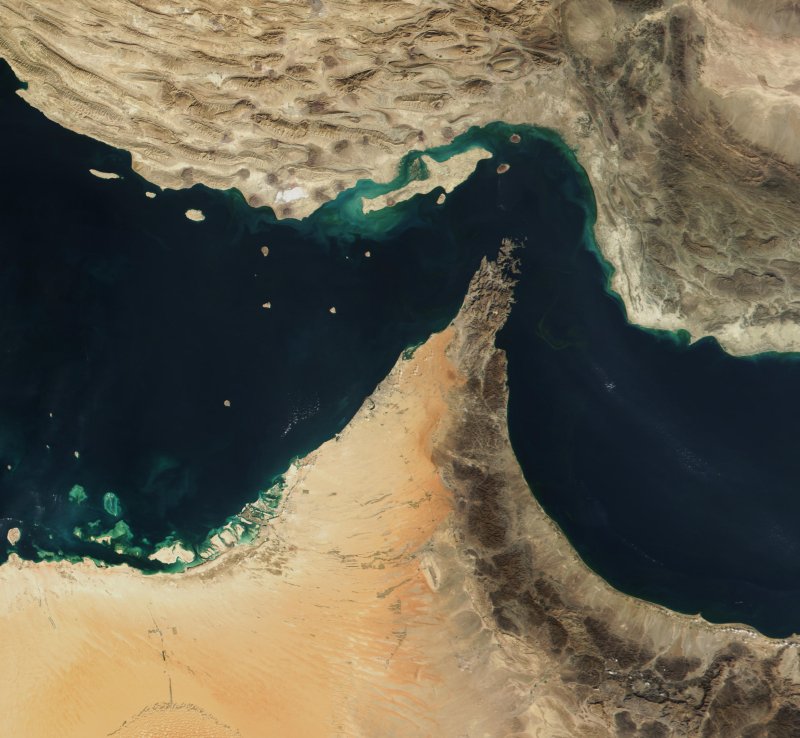
What do historical disruption patterns suggest?
Historical episodes in the Gulf show that prolonged total closure is rare, but repeated periods of degraded transit confidence are plausible and economically significant. This distinction matters. Even without a formal, continuous blockade, recurring incidents can keep costs elevated and create de facto partial closure conditions for specific voyage types. Timeline models that only allow open or closed states miss this middle regime and therefore underestimate persistent friction risk.
A useful pattern from past crises is the sequence of shock, adaptation, and selective normalization. First, risk reprices sharply. Second, operators adapt through routing decisions, convoy use, and contract adjustments. Third, normalization begins unevenly, with high-priority or better-insured traffic resuming first. Modeling closure duration through these stages helps avoid overconfidence after the first positive headline and prevents overreaction to every isolated setback.
Historical patternMost damage comes from repeated disruption cycles and prolonged uncertainty, not only from a single all-stop event.
What scenarios define a 3-day, 2-week, or 6-week closure?
A three-day scenario usually reflects an intense but bounded shock: transit pauses, strong initial repricing, and quick corridor control restoration. A two-week scenario generally requires repeated incidents, uneven convoy reliability, and stubborn insurance premiums that suppress discretionary sailings. A six-week scenario is a severe case where security pressure remains active, confidence rebuilding fails repeatedly, and mitigation capacity cannot absorb cumulative stress.
Scenario planning should assign probabilities rather than single-point predictions. For many commercial users, the highest-value output is not an exact duration forecast but a trigger matrix that says when to shift from short-shock assumptions to medium or severe assumptions. Triggers can include sustained queue growth, repeated advisory hardening, widening insurance quote dispersion, and persistent freight dislocation relative to baseline.
| Scenario | Duration Band | Dominant Driver | Decision Posture |
|---|---|---|---|
| Bounded shock | 1-3 days | Rapid security stabilization | Maintain continuity with hedging |
| Sustained friction | 7-14 days | Insurance and convoy lag | Prioritize schedule resilience |
| Extended disruption | 4-6+ weeks | Repeated hostile pressure | Activate full contingency playbook |
What signals confirm a real reopening phase?
A real reopening phase is confirmed by persistence, not announcement. At minimum, you should see queue compression across successive windows, reduced advisory severity, and narrowing war-risk premiums. Just as important, non-priority commercial traffic should resume at stable transit speeds. If only security-managed or premium-tolerant voyages move, reopening is still partial.
Teams that need operational confidence can apply a three-check rule: logistics check, cost check, and behavior check. Logistics check asks whether throughput is consistently improving. Cost check asks whether insurance and freight penalties are receding. Behavior check asks whether routine operators are returning without exceptional protections. When all three pass for multiple cycles, the closure timeline has likely moved into durable normalization.
This is where timeline analysis loops back into broader site coverage. Use this page for duration logic, then cross-verify with our live timeline archive, Persian Gulf map, and Gulf of Oman map to confirm whether corridor-specific recovery is holding across the wider maritime network.
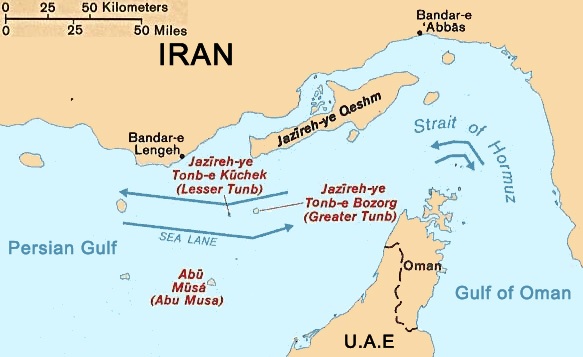
FAQ: Strait of Hormuz closure timeline
What happens if the Strait of Hormuz closes?
A closure first triggers a financial shock: freight, insurance, and benchmark energy contracts reprice almost immediately. Physical disruption then depends on whether transit pauses persist across several cycles or stabilize quickly under escort and corridor control. Short interruptions can still produce large price moves if market confidence deteriorates.
How long would a Hormuz closure last in most scenarios?
The most common planning range is days to weeks, with sustained multi-week closures requiring repeated security failures and weak commercial confidence. Analysts should monitor rolling indicators rather than predict a single duration on day one. The timeline can shorten quickly if queue depth and premiums normalize together.
Can oil exports bypass the Strait of Hormuz?
Some exports can be diverted through regional pipelines that avoid the strait, but total bypass capacity is smaller than normal Hormuz throughput. Bypass options reduce the peak shock and buy time for system adaptation, yet they do not eliminate exposure if disruption is prolonged.
How quickly can shipping restart after a disruption?
Restart speed depends on three linked variables: corridor security consistency, underwriter confidence, and operator willingness to re-enter standard schedules. Even after tactical conditions improve, commercial normalization can lag if insurance costs remain high. Sustained recovery typically requires several stable transit cycles.
What signals show Hormuz is reopening?
Look for declining vessel queues, fewer voyage cancellations, compressed war-risk premiums, and regular advisory language across multiple days. One positive movement is encouraging, but repeated normalization is the higher-confidence sign that closure risk is receding.