Israel launches new strikes in Tehran and Beirut as conflict widens in Middle East has shifted from an isolated headline into a cross-theater operating reality, with live updates documenting new Israeli strike activity in Tehran while reporting simultaneous strike pressure in Beirut and wider Lebanon. CNN reported a fresh wave of Israeli flyover strikes in Tehran and separate Israeli strikes on Hezbollah infrastructure in Beirut, while NBC reported "broad scale strikes" in Tehran and intense bombardment in Lebanon. Sources: CNN (Tehran wave, Mar 4-5, 2026), CNN (Beirut strikes, Mar 4, 2026), NBC live blog.
This matters for ranking, policy, and risk interpretation because the operational map now links Iran, Lebanon, Gulf logistics, and domestic political decision cycles in one rapidly moving information environment. BBC coverage added first-person accounts from Beirut and Tehran that align with a prolonged conflict picture, including displacement stress in Lebanon and repeated night-time explosions in Tehran. Source: BBC live page (March 5, 2026).
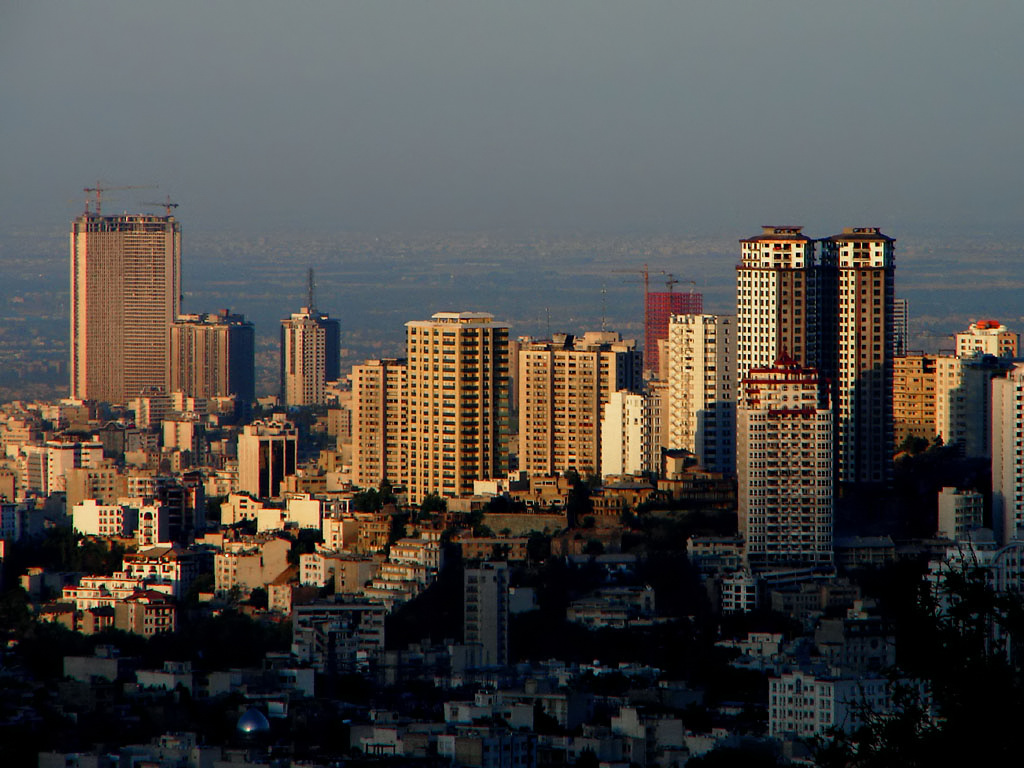
Tehran and Beirut Now in the Same Strike Window
The central structural change in this cycle is concurrency. CNN documented that Israel announced a new wave of strikes across Tehran, including statements that it was the 11th wave since February 28, while also reporting active strikes on Hezbollah infrastructure in Beirut. In parallel, NBC described "broad scale strikes" on Tehran and described Beirut as undergoing the most intense bombardment since Sunday night. This combination suggests the conflict has moved beyond sequential retaliation and into overlapping pressure cycles.
On March 5, BBC also published IDF leadership language describing movement into a "next phase" and additional operations ahead, with explicit references to deeper strikes in Lebanon. The phrasing is important: it implies planned continuity rather than ad hoc reaction. Sources: CNN Tehran post, CNN Beirut post, NBC live updates, BBC live updates.
What the Tehran Wave Signals About Campaign Intent
Tehran reporting from both CNN and NBC points to repeated strike logic aimed at regime-linked and military-linked infrastructure, not only symbolic targets. CNN's strike-wave post describes "flyover strikes" and references earlier waves against ballistic missile assets in western and central Iran. NBC's corresponding updates describe explosions and smoke in east Tehran.
When different outlets independently report repeat wave structure with similar timing, the signal is stronger than any one headline. At a minimum, this points to a campaign mode where strike recurrence is intentional. At maximum, it points to an effort to degrade response capacity over multiple days, not just deliver a one-cycle punitive message.
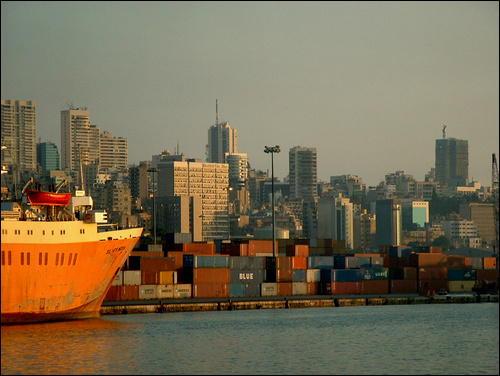
Beirut Front: Humanitarian Strain and Displacement
Beirut and surrounding areas show escalating humanitarian pressure. CNN reported that Israeli strikes in Beirut were underway and separately reported that at least 74 people had been killed in Lebanon since Monday, with more than 437 injured according to the Lebanese Health Ministry. CNN also reported an 18-hour traffic jam and cited Lebanese displacement figures of at least 83,847 people.
NBC's live coverage reported more than 65,000 people displaced in Lebanon, citing the World Food Programme, and described hotel damage in Beirut outside the usual strike concentration area. BBC reporting from Beirut described people sleeping in streets and cars because shelters were full. These figures are not contradictory; they come from different institutions and timestamps, which is common in fast-moving conflicts. Sources: CNN (74 killed in Lebanon), CNN (displacement/traffic), NBC (WFP displacement and Beirut bombardment), BBC (street displacement reporting).
Hormuz and Energy Risk: Why Markets Are Reacting
The conflict expansion is not only about strike geography. It is also about corridor risk. NBC reported that the Strait of Hormuz was nearly empty, with traffic around 90% lower than the prior week by tracker data, and separately reported that no ships had accepted U.S. naval escort offers at that point. CNN also reported a tanker incident off Kuwait involving a reported explosion and oil leakage.
If this pattern persists, second-order effects are predictable: insurance repricing, shipping delays, commodity volatility, and broader inflation spillover. For readers tracking this keyword, the middle-ground scenario is not de-escalation versus full regional war; it is prolonged disruption with uneven military intensity but sustained logistics pressure. Sources: NBC (Hormuz traffic and escort uptake), CNN (tanker spill report).
Policy Signals and Command-Level Framing
On the policy side, U.S. war-powers debate remains active but constrained. Both CNN and NBC reported Senate action blocking a resolution that would have constrained future military action absent congressional approval. At the same time, military and political messaging across outlets emphasizes sustained objectives, including strike continuity and pressure on adversary capabilities.
BBC's "next phase" framing, CNN's repeated strike-wave language, and NBC's Tehran/Beirut updates together indicate that strategic communication is being used to signal durability. That does not prove an unlimited war plan, but it does raise the threshold for near-term de-escalation expectations. Sources: CNN (Senate vote context), NBC (Senate blocks resolution), BBC (next phase statements).
Reddit Threads: What Public Discussion Is Focusing On
Reddit discussion is not a primary fact source, but it is useful for understanding narrative pressure and public uncertainty. In active r/worldnews threads linked to this conflict cycle, top comments are focusing on three issues: retaliation risk to U.S. bases, skepticism toward leak-driven narratives, and whether escalation can still be contained diplomatically.
Use these threads as sentiment indicators, not confirmation layers:
- r/worldnews thread URL (currently redirects to an Iran retaliation headline)
- r/worldnews thread URL (currently redirects to a Trump/attack-restraint headline)
What to Watch Over the Next 24-48 Hours
First, watch whether Tehran strike cadence stays high for another full cycle. If yes, the campaign signal hardens. Second, watch whether Beirut operations remain outside previously concentrated zones, which could indicate target-set expansion. Third, watch whether Hormuz transit resumes materially; if not, economic effects may deepen even without a dramatic battlefield shift.
Fourth, track displacement deltas in Lebanon and civilian casualty updates in both Iran and Lebanon across multiple organizations. Finally, track whether command statements begin to shift from "next phase" to limit-oriented language. That rhetorical shift is often one of the earliest public indicators of an attempt to cap escalation.
FAQ
What confirms that strikes expanded to both Tehran and Beirut?
Multiple live sources reported new Tehran strike waves and Beirut strike activity in the same reporting window, especially CNN and NBC.
Why do displacement figures differ between sources?
Different institutions publish at different times and use different collection methods. In this cycle, NBC cited WFP displacement totals while CNN cited Lebanese ministry totals.
Is this already a full regional war?
The conflict is already regional in effect, but the degree of future expansion depends on whether multi-front strike rhythm and logistics disruption remain sustained.
How should readers use Reddit threads in this context?
Use them to monitor sentiment and narrative shifts, but verify all factual claims against primary reporting and official statements.
Primary sources: CNN live coverage (Mar 4-5, 2026), NBC News live updates, BBC live page. Reddit discussion references: thread 1, thread 2. Image sources: Tehran Skyline (Hamed Saber, CC BY 2.0), Beirut Skyline (J2890, Public Domain).