Al Udeid Air Base in Qatar sits at the center of contemporary Gulf air architecture because it combines physical infrastructure with command gravity. The base is not just a runway complex; it is an orchestration node where lift, refueling, command functions, and partner coordination converge. In escalation cycles, that convergence matters more than platform count. A theater can lose aircraft and still recover if command-and-control and sustainment rhythms hold. It can also retain aircraft and still slow dramatically if coordination bandwidth collapses. That is why planners model Al Udeid as a system effect, not a single target.
In public discussion, this role is often simplified to "major U.S. base in Qatar." Operationally, the profile is tighter: Al Udeid helps connect dispersed assets into a usable campaign tempo. If the node is pressured, even indirectly through persistent alert cycles, downstream effects appear in sortie generation, tanker flow, maintenance scheduling, and decision latency. That means base defense is inseparable from mission pacing. The right question is not merely whether the base survives a strike; it is whether it can sustain synchronized output over multiple days under uncertainty.
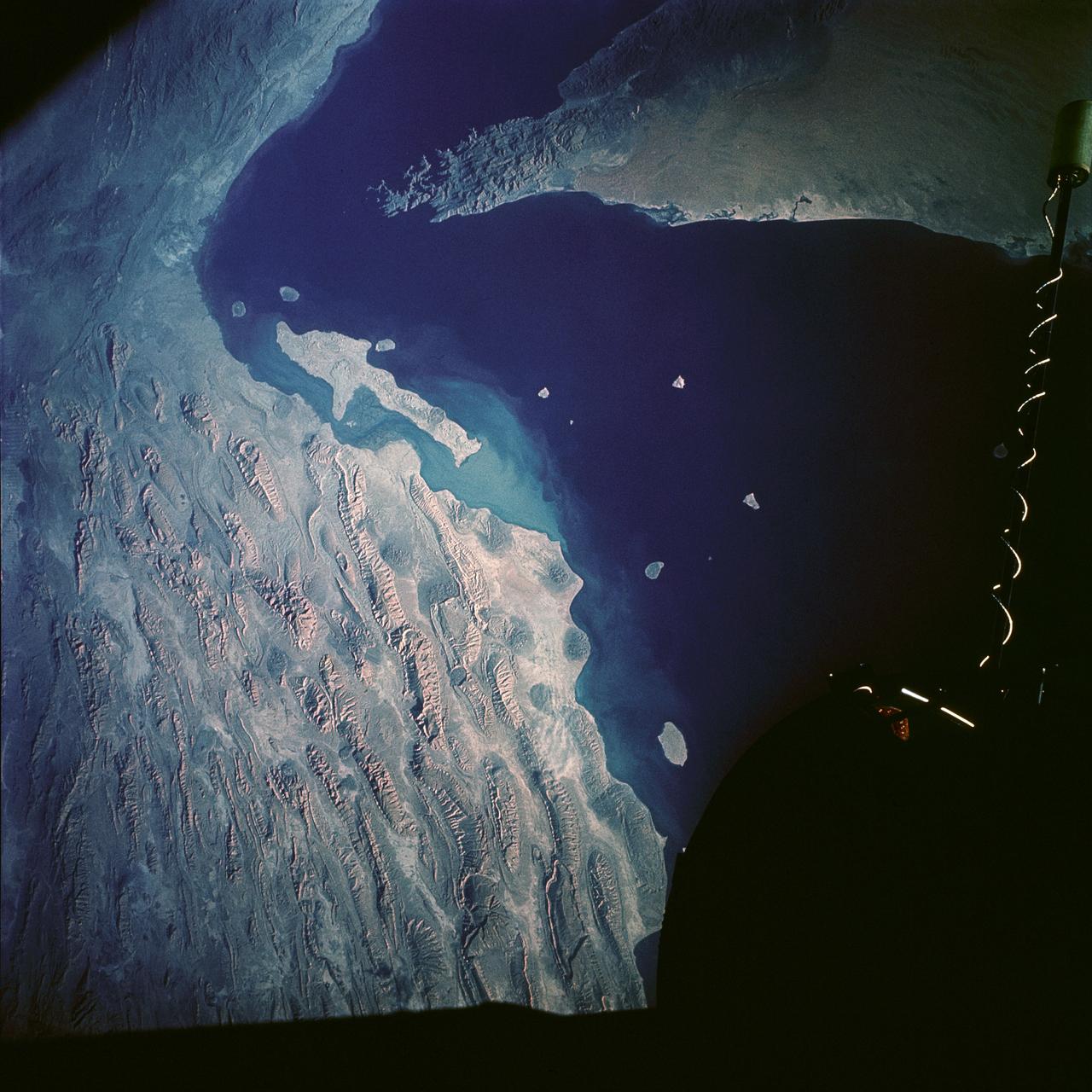
Why Is Al Udeid Air Base Strategically Important?
The answer starts with network effects. A base that hosts critical command and sustainment functions can shape outcomes far beyond its physical footprint. Al Udeid contributes to how quickly aircraft are tasked, how efficiently they refuel, and how reliably theater information gets fused into actionable orders. Even if other bases remain operational, friction at this node can cascade. The inverse is also true: high resilience at Al Udeid can absorb regional shocks and preserve wider operational coherence.
That is why debates around us military bases middle east often return to this location. In strategic terms, Al Udeid is a tempo amplifier. It supports consistent pressure when operations demand persistence and enables adaptation when threat vectors change. During periods of potential iran attack on u.s. scenarios, this adaptability is crucial because commanders must rebalance defense, strike, and logistics priorities quickly without creating gaps. A robust hub reduces that rebalancing cost.
| Function | Operational Contribution | Failure Effect | Resilience Lever |
|---|---|---|---|
| Command and control | Tasking and theater coordination | Decision delays and misalignment | Redundant comms and distributed nodes |
| Air refueling support | Extends sortie reach and persistence | Reduced coverage and patrol time | Tanker dispersion and schedule buffering |
| Mobility and lift | Personnel/equipment throughput | Slower reinforcement and sustainment | Prepositioning and alternate routing |
| Maintenance workflow | Keeps fleet availability stable | Sortie generation decline | Parts staging and rapid repair teams |
How Far Is Al Udeid From Likely Strike Corridors?
Distance analysis for al udeid air base cannot be reduced to one number because launch vectors and basing postures change across crisis phases. Still, the base sits inside practical regional strike geometry, which means warning time can be compressed and interception must be layered. In this context, "inside range" is only the first condition. The more decisive conditions are launch volume, timing coordination, and whether attackers can preserve enough launch capability after the first exchange to sustain pressure.
For defenders, this implies a dual requirement: protect infrastructure and protect tempo. A runway can be repaired quickly, but command disruption or repeated alert cycles can still drain operational output. That is why resilient basing doctrine includes dispersion, hardened workflows, and preplanned recovery actions, not just point defenses. Analysts who follow only range maps tend to undercount these second-order effects.
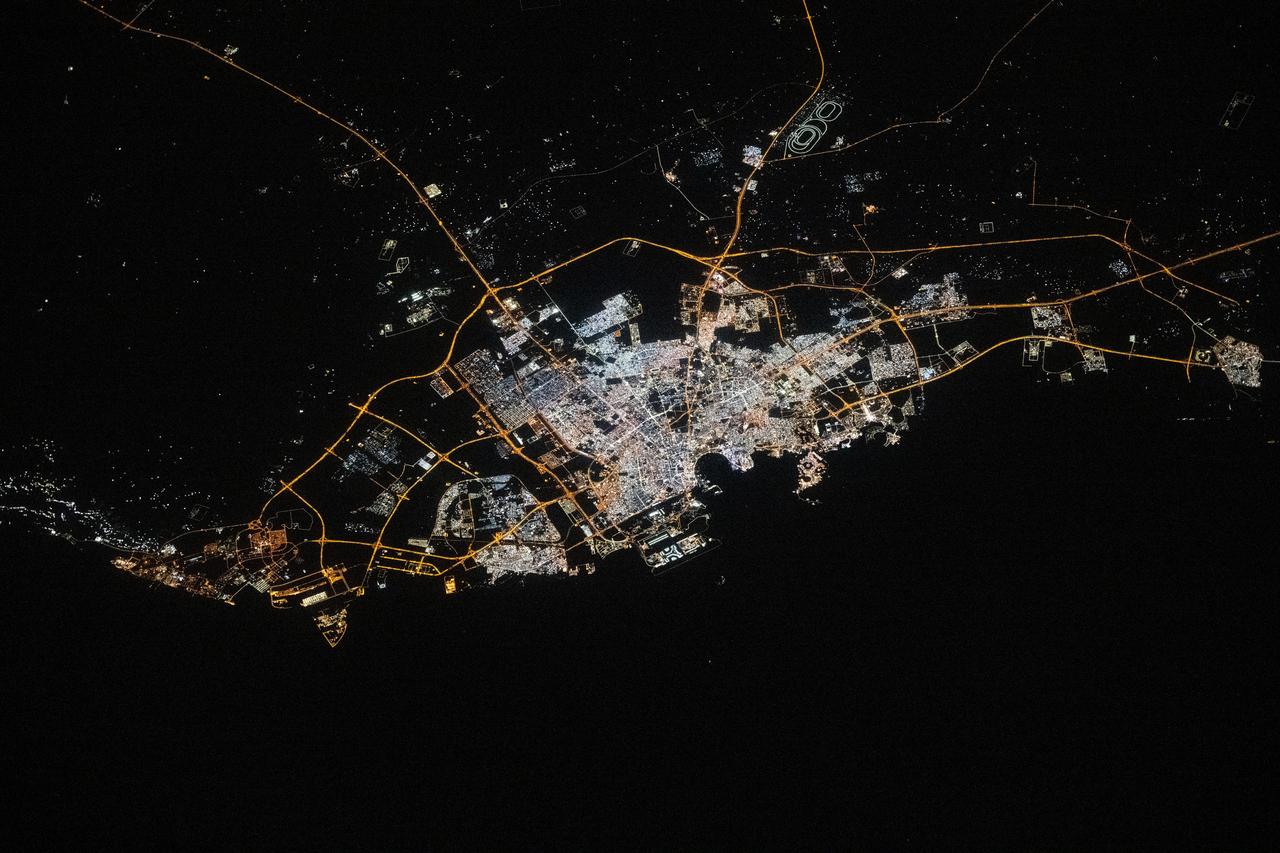
What Assets Operate From Al Udeid?
Open-source reporting consistently points to a mix of tanker, mobility, and command-linked activity rather than a single mission type. That mix is exactly what makes the site durable in campaign terms: if one mission set tapers, others can continue to sustain theater posture. The same flexibility complicates external analysis because visible ramp activity does not always reveal the deeper command function operating behind the scenes.
In risk periods, analysts watch indicators such as tanker-cycle density, transport surge patterns, and maintenance throughput. Each indicator is imperfect on its own. Together, they reveal whether the base is preparing for sustained operations, hedging for attrition, or shifting toward protective dispersal. For readers pairing this dossier with our missile reach analysis, this is the bridge between threat envelope and mission continuity.
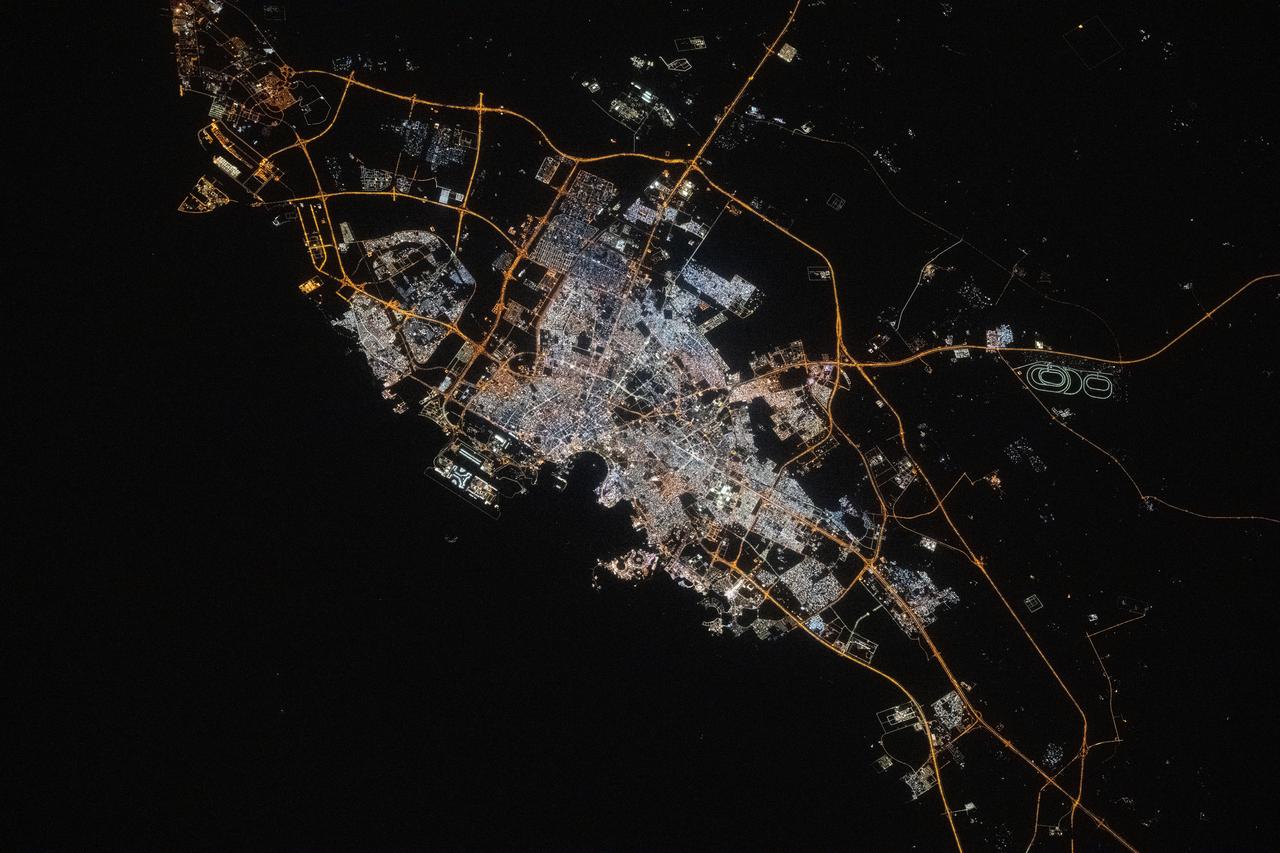
How Would Base Defense Work During Escalation?
Defense is layered by design: early warning, active interception, infrastructure hardening, dispersion plans, and rapid repair doctrine. Each layer buys time for the next. The purpose is not perfection. The purpose is to prevent a temporary disruption from becoming a theater-level operational collapse. In modern base defense, command continuity is as important as physical protection because decisions must keep flowing under pressure.
This is where escalation planning intersects with the broader us vs iran comparison question. A superior force can still experience local friction if defensive layers are saturated or if decision cycles slow. Conversely, disciplined defensive execution can blunt a numerically larger volley by preserving coherence and reducing panic-driven response errors. The practical benchmark is whether defenders keep mission priorities aligned while adapting to incoming threat signals.
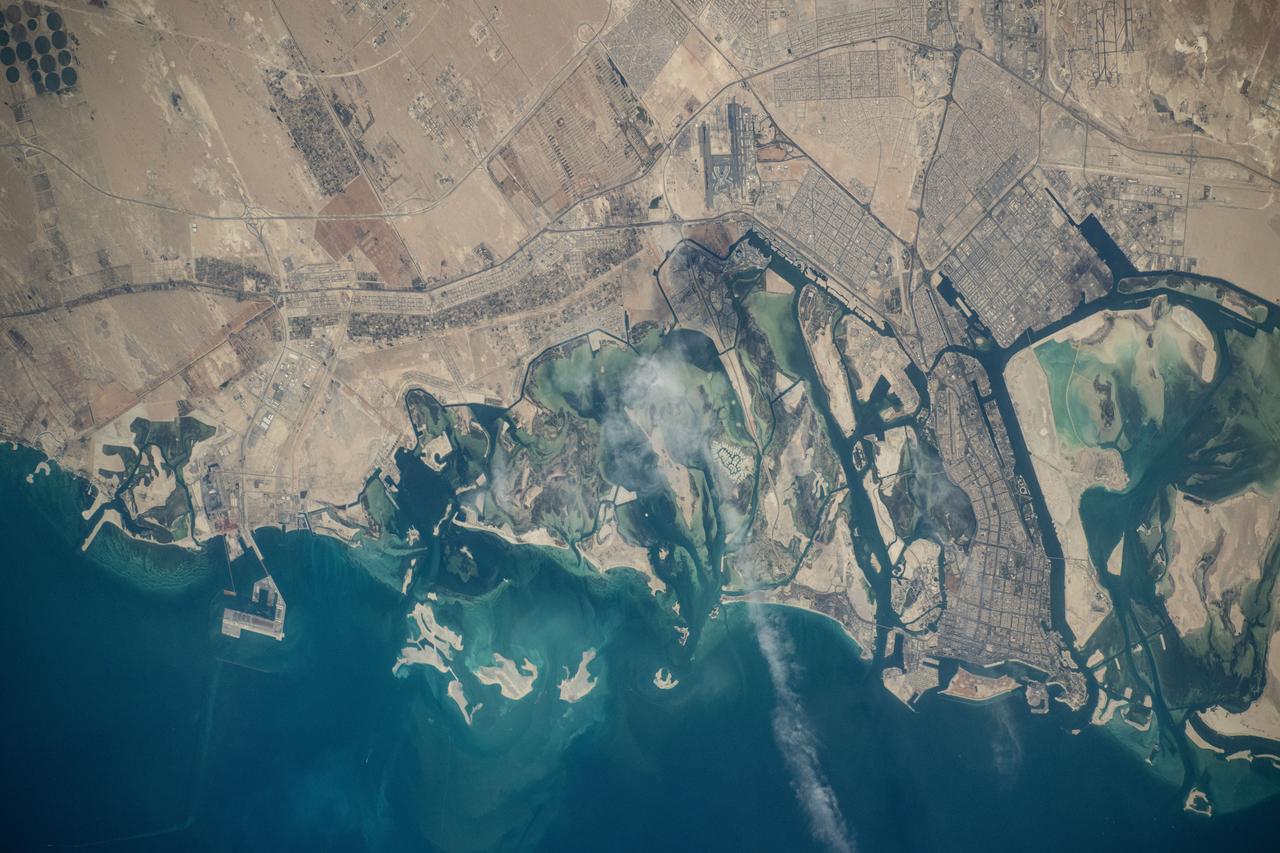
Why Al Udeid Matters to Markets and Diplomacy Too
Military hubs influence financial and diplomatic behavior because they shape expectations about conflict duration. If Al Udeid appears resilient, observers may price a shorter disruption window. If its operations look degraded, markets and diplomatic actors may assume prolonged volatility and harder de-escalation. This makes base-level status reporting a strategic signal, not just a military detail.
Diplomatically, the base also sits inside host-nation and coalition politics. Sustained operations require political permission, logistics confidence, and alliance-level communication discipline. That means the operational map and diplomatic map overlap. Any assessment that ignores host-nation dynamics risks overstating purely technical conclusions.

What a 24-Hour Al Udeid Incident Cycle Looks Like in Practice
To understand al udeid air base in qatar as an operational system, it helps to model a hypothetical 24-hour incident cycle. In hour zero, warning channels register a potential launch sequence and command posture tightens. In hours one through three, defensive layers activate and sortie scheduling is re-prioritized around survivability and mission-critical tasks. In hours four through eight, the base enters confirmation mode: damage assessment, runway checks, fuel and munitions status verification, and command bandwidth triage. In hours nine through twelve, planners decide whether to surge, stabilize, or disperse. By hours twelve to twenty-four, the decisive metric is not "did anything explode" but "what percentage of planned mission output remains executable."
This timeline reveals why raw incident reporting can be misleading. Two bases can both report "no major structural damage" yet deliver very different operational outcomes depending on command continuity, repair sequencing, and logistics coherence. Analysts should therefore track outcome-based metrics such as delayed departures, tanker offload continuity, maintenance backlog growth, and command relay latency. Those indicators provide a sharper picture than visual damage alone.
The same cycle also highlights why repeated low-intensity alerts can be strategically effective for an attacker even without major kinetic success. Repeated interruptions force defenders to spend readiness and attention budget. Over time, that can reduce decision quality and generate compounding operational friction. Resilience doctrine exists to blunt exactly this effect.
| Time Window | Primary Activity | Command Priority | Best Public Indicator |
|---|---|---|---|
| 0-3 hours | Warning and immediate defense activation | Prevent catastrophic disruption | Posture changes and airspace control notices |
| 4-8 hours | Damage and systems assessment | Confirm functional continuity | Sortie rescheduling and logistics advisories |
| 9-12 hours | Recovery vs dispersion decision | Protect next-cycle output | Tanker and lift pattern adjustments |
| 12-24 hours | Sustained tempo management | Maintain mission synchronization | Mission completion ratios over planned baseline |
Al Udeid and Coalition Interdependence
No major Gulf hub operates as a sealed national silo. Al Udeid's practical strength depends on coalition interdependence: shared airspace management, coordinated intelligence exchange, compatible logistics workflows, and host-nation political backing. This interdependence is a force multiplier in stable periods and a vulnerability multiplier in stressed periods. If partner coordination remains smooth, resilience increases. If coordination fragments, even well-equipped infrastructure can underperform.
This is why the base should be interpreted within a network, not as a standalone fortress. A resilient node can compensate for pressure elsewhere, but only if links remain intact. In strategy terms, links are capabilities too. Command interfaces, data standards, and political signaling channels are as important as concrete and steel. Analysts who focus only on visible hardware often miss this network layer and therefore misread likely campaign duration.
For readers tracking longer-horizon risk, one practical benchmark is whether coalition signaling remains convergent after high-pressure events. Divergent statements, unclear rules of engagement, or asynchronous public briefings can indicate growing frictions that may later affect operational tempo. Convergent signaling usually indicates that the network still has decision coherence.
How This Base Profile Connects to the Rest of the Site
This page is designed to integrate with our broader coverage rather than stand alone. Pair it with the can Iran missiles reach US range model for delivery and warning logic, with the nuclear facilities in Iran map for target significance context, and with the US vs Iran strategic comparison for doctrine-level framing. Used together, these pages support a complete chain of reasoning from target value to strike feasibility to campaign sustainability.
That chain is essential because isolated base headlines can produce distorted risk perception. A "base under threat" alert is meaningful only when tied to what missions that base enables, how quickly alternatives can absorb load, and whether command continuity remains intact. By keeping those dependencies explicit, this profile aims to reduce noisy interpretation and increase operational clarity for readers who need actionable context.
Red-Team Questions for Al Udeid Risk Assessment
A useful red-team exercise asks how assumptions could fail. What if warning quality degrades at the same time alert frequency rises? What if runway status is good but command bandwidth is constrained? What if logistics throughput remains intact but political constraints narrow operational options? These are not edge cases; they are realistic combinations during prolonged stress. Good base analysis should test them explicitly rather than assuming one-variable change.
Another red-team question is substitution realism. Analysts often assume alternate hubs can absorb disrupted functions instantly. In practice, substitution has friction: airspace coordination, maintenance compatibility, munitions handling constraints, and partner approval timelines. If substitution delay is underestimated, campaign tempo projections become overly optimistic. That can distort policy advice and public expectations in precisely the moments when clarity is most needed.
Finally, red teams should score communication coherence. If official updates are technically accurate but operationally vague, audiences fill gaps with rumor. If updates are transparent about uncertainty and priorities, confidence holds even during disruption. For al udeid air base in qatar, communication quality is part of resilience. It shapes partner behavior, market reaction, and adversary perception of whether pressure is working.
Teams that review these questions weekly, rather than only during crises, tend to recover faster when real-world pressure arrives. Preparation quality is itself a deterrence signal.
FAQ: Al Udeid Air Base in Qatar
Why is Al Udeid Air Base strategically important?
It links command, refueling, mobility, and sustainment in one operational node. That integration makes it a force multiplier for wider theater activity.
How far is Al Udeid from likely strike corridors?
It sits within realistic regional strike geometry, which is why compressed warning time and layered defense are central to planning.
What assets operate from Al Udeid?
Tanker support, mobility operations, maintenance workflows, and command-linked activities all contribute to its strategic weight.
How would base defense work during escalation?
Through stacked warning and interception layers, dispersion, rapid repair, and command continuity procedures designed to preserve sortie tempo.
External references: U.S. CENTCOM, U.S. Department of Defense, CSIS.